

SEATTLE—Current Snohomish County Superior Court Judge Karen Moore is seeking a seat at the Washington State Court of Appeals Division 1, which, though centered in Seattle, covers King, Snohomish, Skagit, Whatcom, San Juan, and Island counties. The Division one seat was left vacant following Appellate Judge Stephen Dwyer’s announcement of retirement back in January 2025.
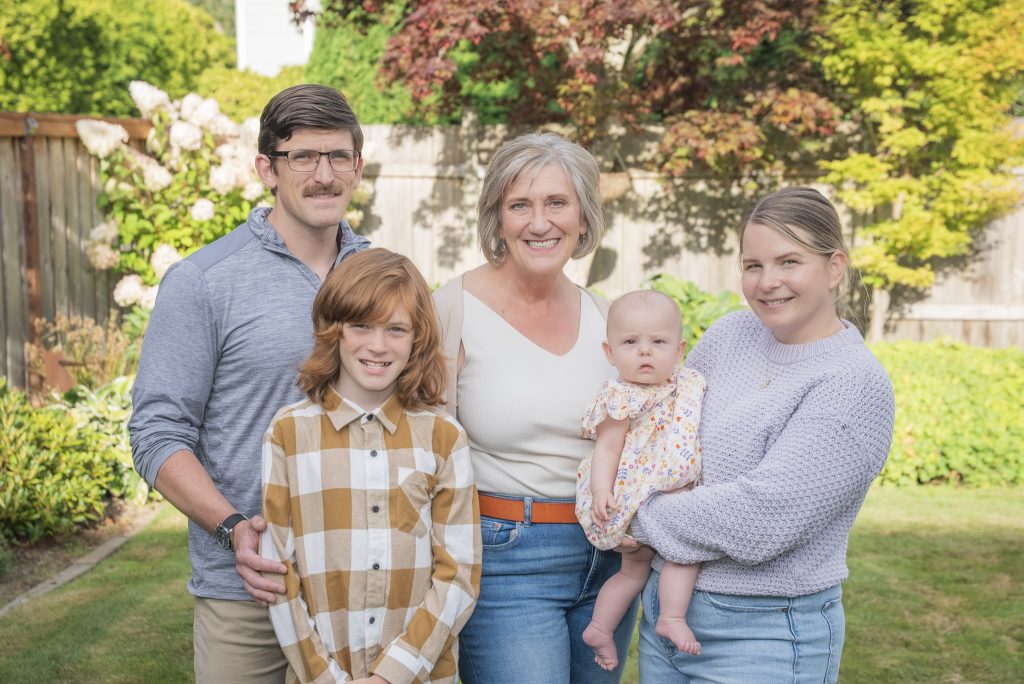
Moore’s top priorities, if elected, are to write clearly articulated decisions – so that the trial judges, attorneys, and the public understand the reasonings for her rulings – work collaboratively with other members of the court, and to restore confidence in the appellate courts.




“In doorbelling, and talking to people on the phone, I’ve been talking to a lot of folks who say they are concerned about the court and the integrity of the courts,” Judge Moore told the Lynnwood Times. “I believe we need to have strong judges who will faithfully apply the laws to the facts, impartially, without any kind of bias or favoritism for one side or the other. That’s something that’s always been important for me, even as a prosecutor, and an advocate, just making sure whatever decision that’s being made is soundly based.”
Through Moore’s 30 plus years of experience, she has always ensured that people are heard and take breaks whenever necessary to ensure people in her courtroom feel calm and confident.



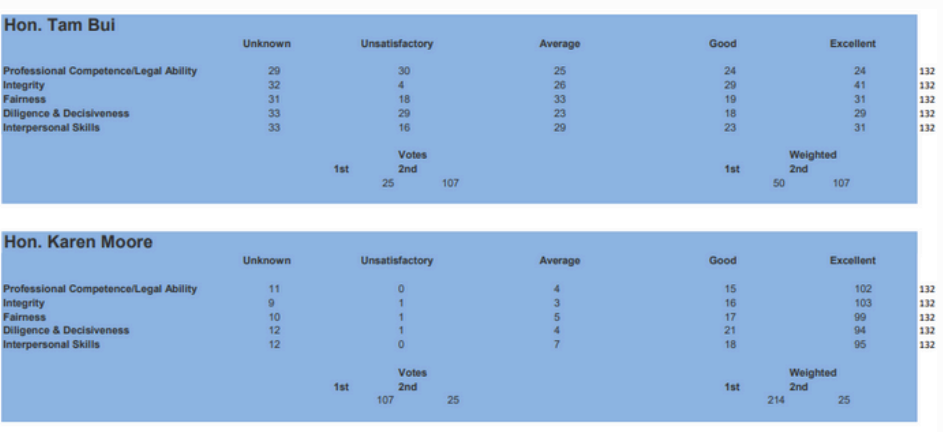
Just recently, on Thursday, October 16, the Snohomish County Bar Association released the results of a poll conducted to gauge the preferred pick for the Court of Appeals Position 1 seat. In those results, out of 132 participants, Judge Moore excelled over her opponent by averaging a 98.6 rating in excellence in all categories, which included: Professional Competence/Legal Ability, Integrity, Fairness, Diligence and Decisiveness, and Interpersonal Skills.
Moore began her legal career in the appellate unit of the Pierce County Prosecutor’s Office. Even while finishing her law degree at the University of Puget Sound School of Law (now Seattle University School of Law), she was exposed to appellate work, arguing cases in the Court of Appeals Division 2 as a law student under the supervision of a supervising attorney. She has always been drawn to appellate work due to its “intellectual nature,” she told the Lynnwood Times, in the sense that you’re looking at the “big picture” – not necessarily looking at how a set of laws affects one set of litigants but how it fits into the overall body of law surrounding a particular topic.
Moore’s first job with the Snohomish County Prosecutor’s Office was with the appellate unit, writing briefs, arguing cases in the Court of Appeals Division 1, and in the Supreme Court close to seven years before moving into private practice. Even through her private practice she continued to have an appellate caseload arguing civil matters.
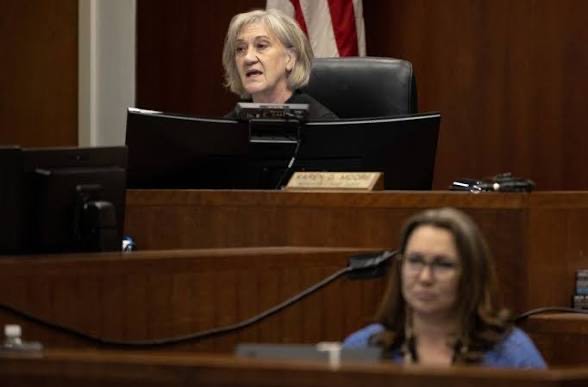
“I’ve done all nature of appellate work throughout my career, as an attorney, and now as a judge I write my decisions keeping in mind my decisions could be reviewed by the appellate court. So, I write my decisions in a way that would assist the appellate court and to help them understand what I was thinking and why I came to the decisions I came to,” said Moore. “For me this position just seems like a natural progression.”
When asked how Moore plans to remain impartial when presiding over a case she replied the “law is the law” which doesn’t change based on who’s before you. If elected to Appellate Judge she plans on implementing the same impartiality strategies she’s exercised throughout her tenure as Judge, being vigilant about recognizing where potential bias could be and being open minded, asking her colleagues if she’s looking at a case fairly.
“I’m always vigilant about now having a particular bias but if I ever feel like I’m being too bias, or have any risk of being bias, I talk to my colleagues about it but I think that’s one of the beauties about the appellate court in particular: you aren’t making a decision all on your own, you have two other judges you’re working with to come to a decision,” said Moore. “So, you have somewhat of a built-in bias checker, which you don’t always have in the Superior Court.”
Moore believes courts should not get involved in setting public policy unless it directly relates to the interworking of the court. She believes the courts should not influence the legislature to do x, or y, but to the extent that the legislature might make a decision that would impact how the courts would work, she believes it’s appropriate.
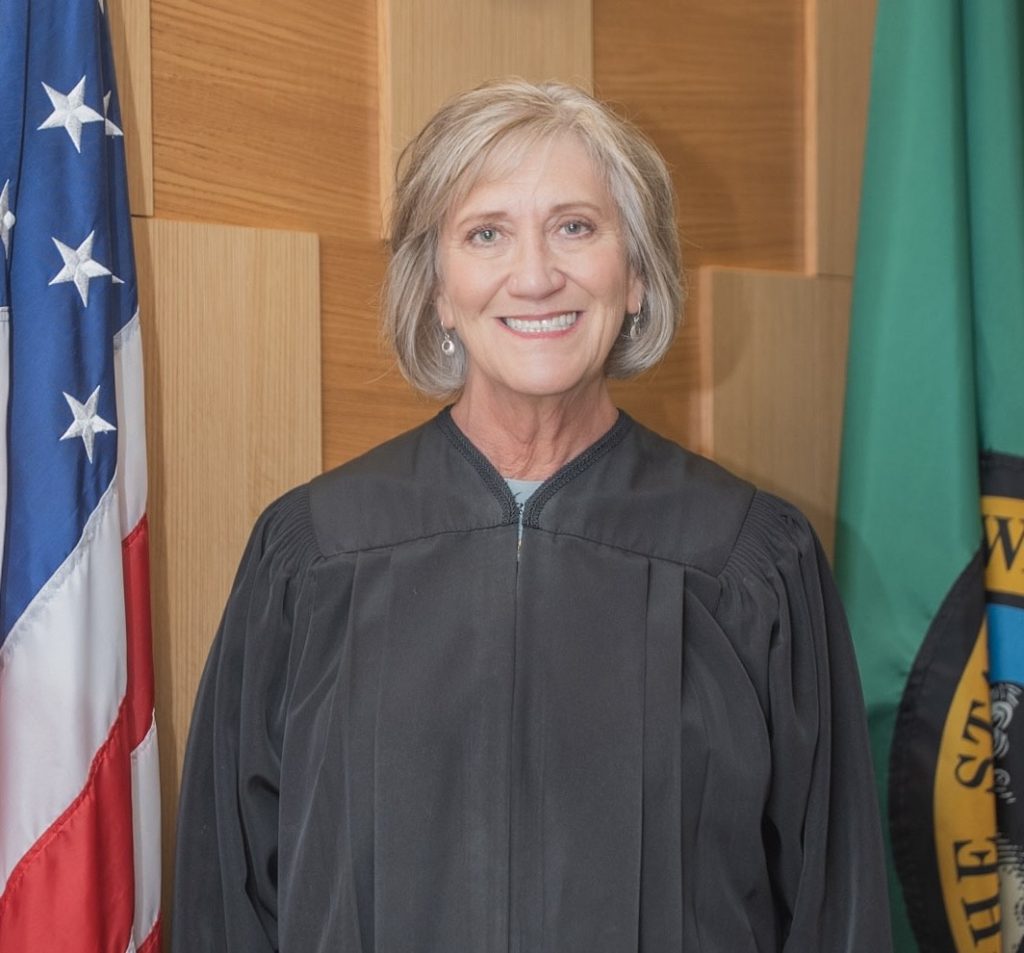
As a member of the State Superior Court Judges Association’s Criminal Law and Rules Committee, Judge Moore is asked to review certain legislation when the legislature is in session. During these times she always reviews the bills as how it would impact the court’s ability to do its job efficiently. For example, having a fiscal impact, increasing workload, or otherwise effect procedure.
“I’m a lot more cautious when deciding whether this is a good law or a bad law, or whether this furthers someone’s particular agenda. That’s the legislative branch of government’s role. Though certainly if I saw something being proposed that was strictly unconstitutional, I would weigh in on that,” said Moore. “But that’s what’s so important about having three branches of government.”
Relating to restoring “trust” in the court system, Moore believes the court system could do a better job at educating the public on what the court systems does. She would welcome the opportunity to hold public outreach initiatives in which the courts would have the opportunity to share what’s going on with the courts, as far as programming, and what’s being done to help disabled individuals have more access to the court, pretrial services or electronic home monitoring. It all boils down to transparency, she said, to allow the public to get to know what judges are doing as far as administration and how they handle things.
Along with that transparency, Judge Moore refuses to see cases in which she has a personal connection with.
“I have the practical experience with the law. As a trial judge it’s really important to me that our appellate court judges understand the law and what it’s like to be a trial court judge, and the decisions we make as trial court judges. I have argued in the court of appeals, I understand how those decisions are made, I have represented real people, taken the time to listen to real people, and explained legal decisions to real people. I understand how important those written decisions are, not only for attorneys to instruct their clients, but for judges to rely on to make consistent decision so that people feel like they are being treated fairly,” said Moore. “I’ve spent my whole life making sure people are being treated fairly and consistently and this is the right position for me, to bring all of my experience, both with appellate, trial, and judicial, all to bear in one place so that I can further our justice system.”
More About Judge Moore
Judge Moore earned her law degree from the University of Puget Sound School of Law (now Seattle University School of Law). While in law school, she worked in the appellate unit of the Pierce County Prosecutor’s office and completed an externship in the 9th Circuit Court of Appeals. After moving back to Washington from Idaho where she served as a Deputy Prosecuting Attorney for a few years, Judge Moore joined the Snohomish County Prosecutors Office where she spent seven years prosecuting felony offenses and arguing cases before the Washington Court of Appeals and Supreme Court. In 2001, she joined a respected private law firm in Everett – Brewe Layman. There she practiced in family law, personal injury, and appellate law for twenty years until joining the Superior Court.
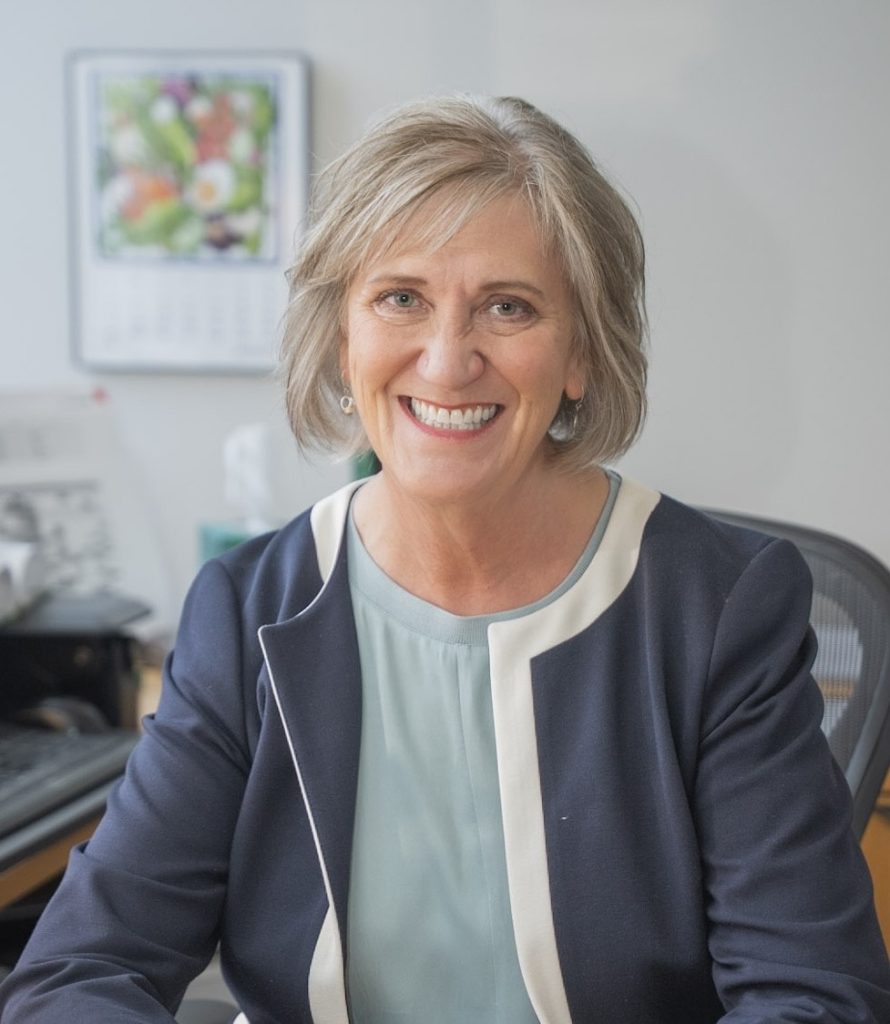
Judge Moore has been a member of the Board of Directors of the local YMCA for over ten years, proudly achieving the goal of a new Everett Family YMCA on Colby Avenue. She also devotes time to the YMCA Youth Mock Trial Program, teaches Street Law at Sequoia Alternative High School in Everett, and serves as an Externship Supervisor for students at the University of Washington and Seattle University law schools.
Outside of the courtroom, Moore loves to get outdoors, garden, assisting young women with career pathways, and spending time with her family.

Author: Kienan Briscoe