

ANCHORAGE, AK—Typhoon Halong’s remnants struck the Yukon-Kuskokwim Delta around October 13–14, 2025, with hurricane-force winds and storm surges, disproportionately impacted Alaska Native villages, specifically the Yup’ik communities. In Kipnuk, 90% of homes (121) were destroyed; in Kwigillingok, a third of homes were swept away. These communities are reliant on subsistence hunting and fishing. Tragically, one fatality has been confirmed, and two individuals remain missing as of October 18.
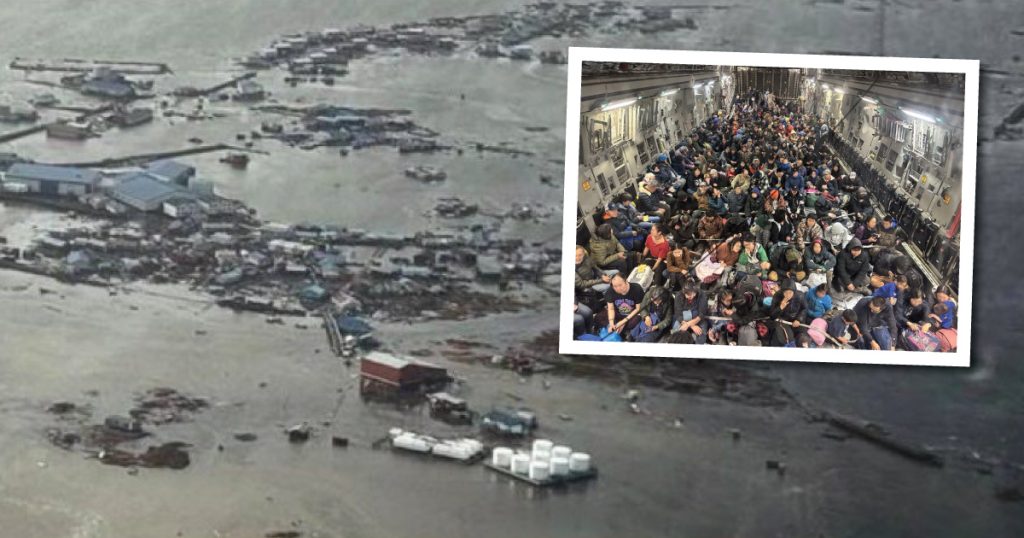
The Alaska National Guard and U.S. Coast Guard conducted urgent search-and-rescue operations, airlifting hundreds of residents from flooded homes amid winds exceeding 100 mph. Approximately 1,600 evacuees were transported to shelters in Anchorage, including schools, sports arenas, and convention centers, with an additional 575 moved to other regional hubs.




The American Red Cross, supported by FEMA, is providing food, water, and medical care to those in shelters, while over 200 National Guard members are distributing essential supplies. Nonprofits like the Association of Village Council Presidents and the Western Alaska Disaster Relief Fund are channeling federal grants to support immediate relief efforts.
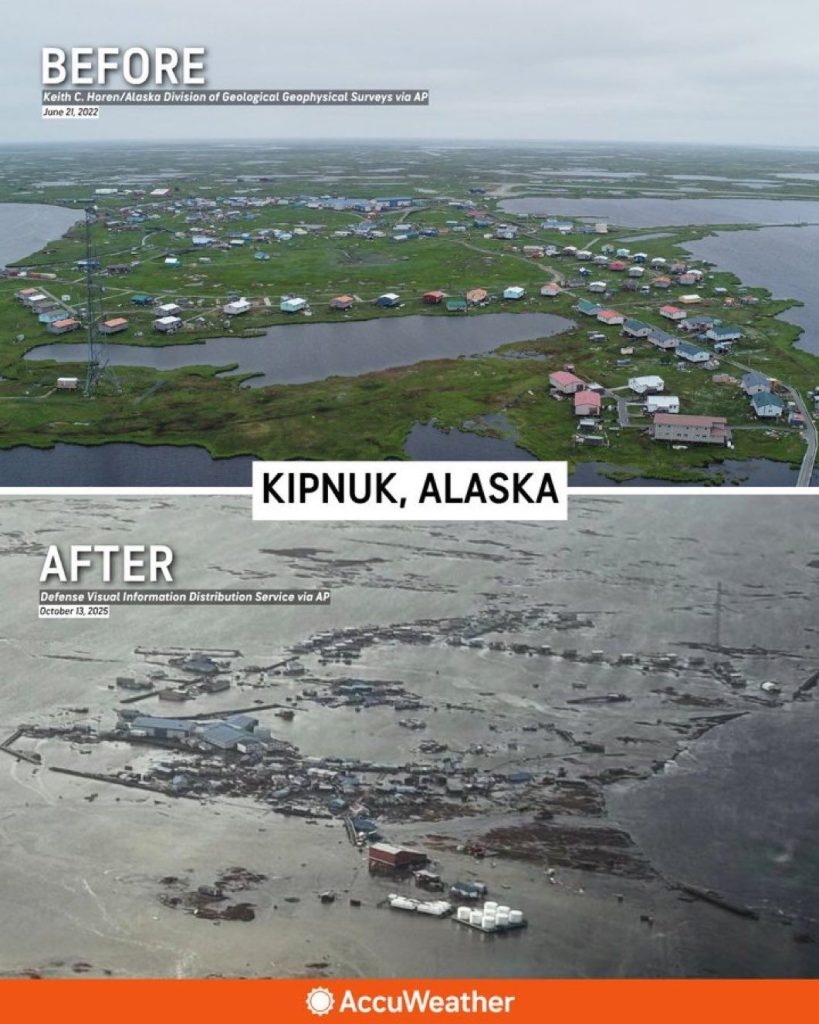
Federal and state agencies continue to coordinate closely, with military assets like C-17 Globemaster aircraft supporting evacuations and FEMA conducting damage assessments.


On October 9, 2025, Alaska Governor Mike Dunleavy issued a state disaster declaration, which was expanded on October 13 to encompass the most affected areas. This declaration has enabled state-coordinated evacuations, National Guard deployments, and access to temporary housing and debris removal programs.
On October 17, Governor Dunleavy formally requested a Major Disaster Declaration from President Donald Trump through FEMA. If approved, this would provide federal reimbursement for up to 75% of recovery costs, including home repairs, infrastructure rebuilding, and individual assistance for displaced residents.
Alaska’s congressional delegation, including Senators Lisa Murkowski and Dan Sullivan, and Representative Nick Begich, urged swift approval in a letter sent on October 18. The Alaska Federation of Natives and 28 tribal groups have also called for an emergency declaration, citing the cultural and subsistence impacts on Indigenous communities.

Author: Mario Lotmore