

PHILADELPHIA—The United States Mint, a bureau of the United State Department of the Treasury, hosted a ceremonial strike event on November 12, 2025, at its Philadelphia facility where Treasurer Brandon Beach struck the final, circulating penny, marking the official end of the penny’s 232-year production run as a circulating coin.
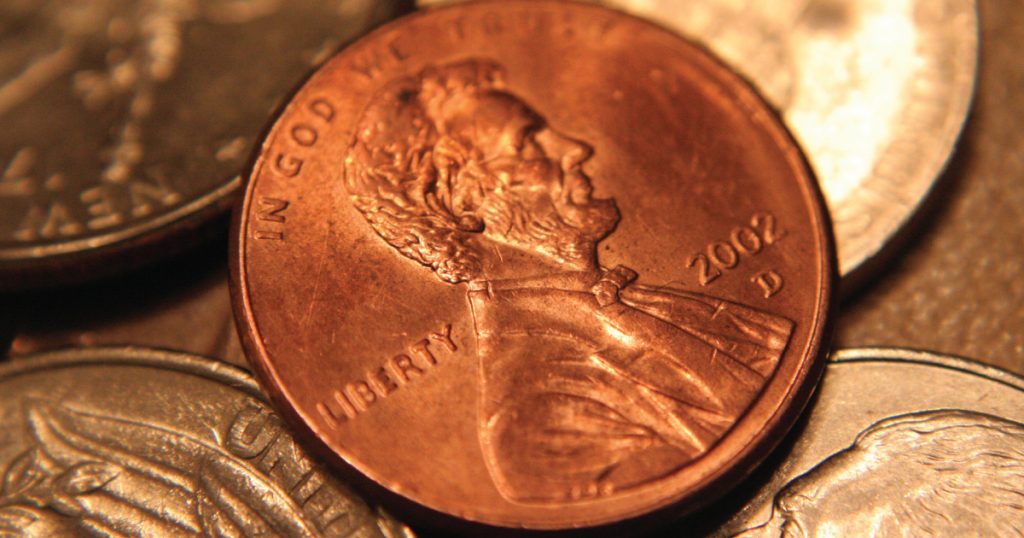
“Today the Mint celebrates 232 years of penny manufacturing,” said Kristie McNally, Acting Mint Director. “While general production concludes today, the penny’s legacy lives on. As its usage in commerce continues to evolve, its significance in America’s story will endure.”
Approximately 300 billion pennies remain in circulation, according to estimates from the U.S. Treasury Department, which will serve as legal tender— sufficient to meet commercial needs in the foreseeable future according to the U.S. Mint.
The first official one-cent coin was minted in 1793 by the U.S. Mint, which had been established by Congress the previous year under the Coinage Act of 1792. This initial design featured a woman with flowing hair symbolizing liberty on the obverse, paired with a wreath on the reverse. Prior to this, a precursor known as the Fugio cent appeared in 1787, designed by Benjamin Franklin and made from copper bands originally used for powder kegs sent by France during the American Revolution.



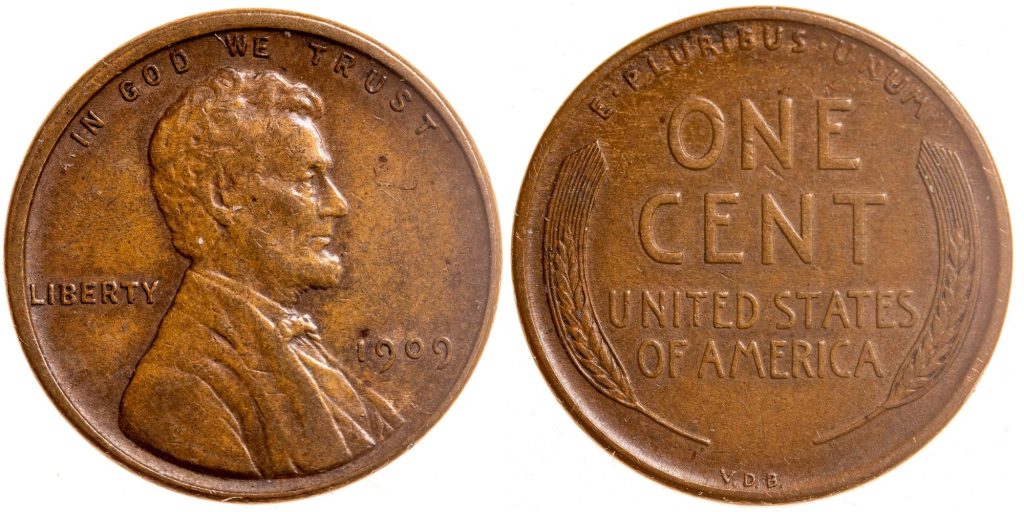
The penny was created to provide a small-denomination coin essential for facilitating everyday commerce for a newly established nation. In 1909, President Abraham Lincoln’s profile was added to the penny to commemorate his centennial, an image that has remained until Tuesday’s ceremonial strike.
The event ceremonial strike event included the production of special Omega-stamped coins—232 in total, one for each year of penny production—to be auctioned in December, with proceeds funding Mint operations. Some experts say that these Omega-stamped coins will fetch between $2 million and $5 million at auction, according to USA Today.

Certain pennies have long been prized by collectors for their rarity, minting errors, or historical significance.
The 1943-D Lincoln Bronze Wheat Penny, a rare error coin produced during World War II when most pennies were made of steel to conserve copper, sold for up to $2.3 million. The 1909-S VDB Lincoln Cent, featuring designer Victor David Brenner’s initials and minted in low quantities at the San Francisco Mint, can fetch up to $10,000 or more due to its scarcity and as the first year of the Lincoln design.
Economic and production factors, combined with evolving consumer behavior, have made its continued production unsustainable the U.S. Mint stated. Over the past decade, the cost of producing each penny rose from 1.42 cents to 3.69 cents per penny—far exceeding its face value. This cessation is projected to save the U.S. Mint about $56 million annually.
The decision to end penny production by President Doanld J Trump aligns now aligns the United States with countries like Canada, Australia, Ireland, and New Zealand, who also phased out their lowest-value coins. President Trump initiated the move in February 2025, under an effort to improve government efficiency and reduce waste.

“For far too long the United States has minted pennies which literally cost us more than 2 cents,” said President Trump. “This is so wasteful! I have instructed my Secretary of the US Treasury to stop producing new pennies. Let’s rip the waste out of our great nations budget, even if it’s a penny at a time.”
At Tuesday’s ceremonial strike event, U.S. Treasurer Beach acknowledge a significant shift in U.S. monetary policy and how Americans conduct transactions.
“Given the rapid modernization of the American wallet, the Department of the Treasury and President Trump no longer believe the continued production of the penny is fiscally responsible or necessary to meet the demands of the American public,” said Beach.

Author: Mario Lotmore