

EVERETT – Snohomish County now has its first-ever plan to help people and businesses countywide better adapt to wildfire risk.
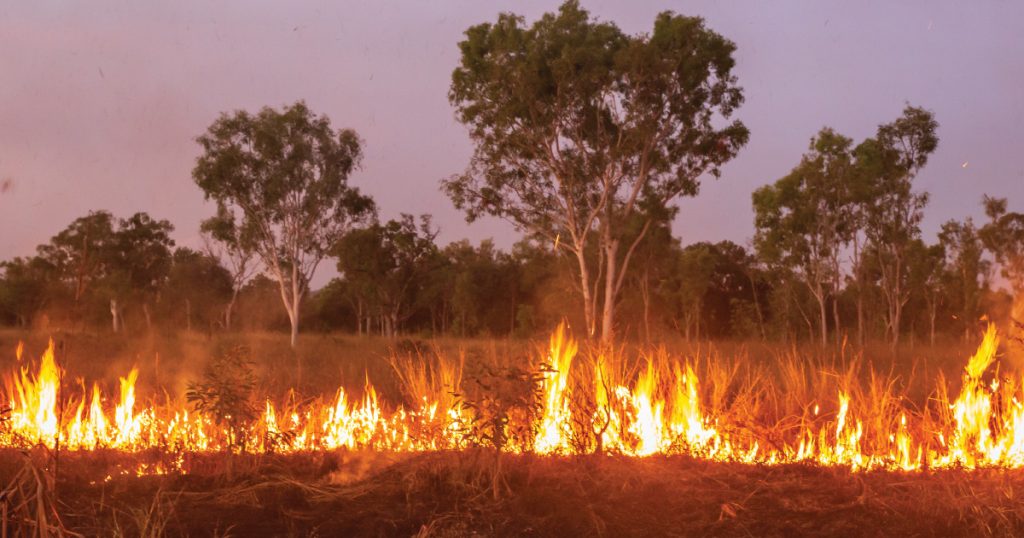
The Snohomish County Community Wildfire Protection Plan was approved and adopted November 12, 2025, by a unanimous vote of the Snohomish County Council. The plan is the result of two years’ work by a team that included area firefighters, state and federal agencies, local tribes, nonprofits, residents, landowners and Emergency Management staff.
The County is grateful to everyone who worked to get the wildfire protection plan in place and is hopeful they will remain involved in the next planning phase, said Lucia Schmit, Snohomish County’s emergency management director.
“Although we are entering flood season and wildfire risk is currently low for the county, it is important to prepare before the hazard is here,” Schmit said. “This plan will set us up well for next fire season as well as more localized future planning, including evacuation challenges and fuel reduction efforts.”


The adopted plan can be found at www.bit.ly/SnoCo_CWPP. Expect to hear more in 2026 about how to stay involved as planning moves forward on community-specific wildfire protection needs, including identifying evacuation routes.
“The beautiful forests that help make our county special also mean this is a place where wildfires are a hazard, especially in areas where homes and forests are close together,” Snohomish County Executive Dave Somers said. “It is important that Snohomish County and the many dedicated partners who contributed to this plan are prepared. It is equally important for residents to learn about their risk and how they can better protect their homes and neighborhoods.”


Executive Somers officially signed off on the wildfire plan November 13, 2025. Representatives from the state Department of Natural Resources and the Snohomish County Fire Chiefs Association gave their written approvals earlier this fall.
The wildfire protection plan provides a framework for ensuring coordinated mitigation, preparedness, evacuation, post-fire recovery, and outreach efforts. It identifies 33 objectives and 70 strategies. Among the recommendations are guidelines for projects to reduce the brush and other woody fuels that can prime forestlands for destructive fires and improved access to information about making homes and property more fire-resistant.
The planning effort relied upon geospatial analysis to identify places in the county where topography and ground cover contribute to elevated fire risk. Related data work identified areas where houses, farms and businesses mix in with forestlands. Roughly 130,000 people in the county now call these spaces home – more than 15% of the county’s population.
The wildland fire season in Snohomish County historically has stretched from early July through the rains of fall. Warmer, drier weather in recent years has heightened concern about fire frequency and intensity. Of note, the 2022 Bolt Creek Fire scorched nearly 15,000 acres across east King and Snohomish counties. It forced multiple safety closures that blocked U.S. 2 and unleashed smoke that repeatedly degraded air quality to dangerous levels across much of the community.

Source: Snohomish County

Author: Lynnwood Times Staff