

In 2025, Snohomish County faced the stark realities of Washington’s escalating housing crisis while communities pursued innovative solutions. Below are the highlights of our housing coverage in 2025.

The ‘Housing Governor,’ Ferguson goes all in with a bold $244 million plan to tackle Washington’s housing crisis
On December 18, 2025, Governor Bob Ferguson announced a $244 million housing package, including $237 million for over 4,000 affordable units and $55 million for recovery from recent floods. Allocations include $225 million to the Housing Trust Fund for rentals, homeownership, and mobile home preservation, plus $6 million for permitting modernization. An executive order creates a 19-member task force to recommend a cabinet-level Department of Housing, with a report due by November 2026. Proposed legislation would enable mixed-use development in commercial zones to boost supply. Amid a need for over 1 million homes by 2044 (half affordable) and nearly half of renters cost-burdened, the plan builds on prior $700 million commitments and emphasizes safety, opportunity, and economic growth.




The hidden reality of developmental trauma in homelessness
Drawing from interviews with 638 homeless individuals, author Joe Wankelman argued that developmental trauma—childhood abuse, neglect, and loss—is a primary driver of homelessness, rewiring brains for chaos, shame, and addiction. He critiqued academic definitions for overlooking personal stories of betrayal and survival, citing neurobiological impacts (e.g., hypervigilance) and the ACE Study (64% with at least one adverse experience). Systems focus on symptoms like substance use rather than root causes, leading to high economic costs ($428B–$2T annually nationwide). He called for trauma-informed care to build trust and healing, emphasizing that addressing underlying pain is key to breaking cycles.
Housing Hope Nightmare: Move-in process, crime, and alleged misappropriation of funds
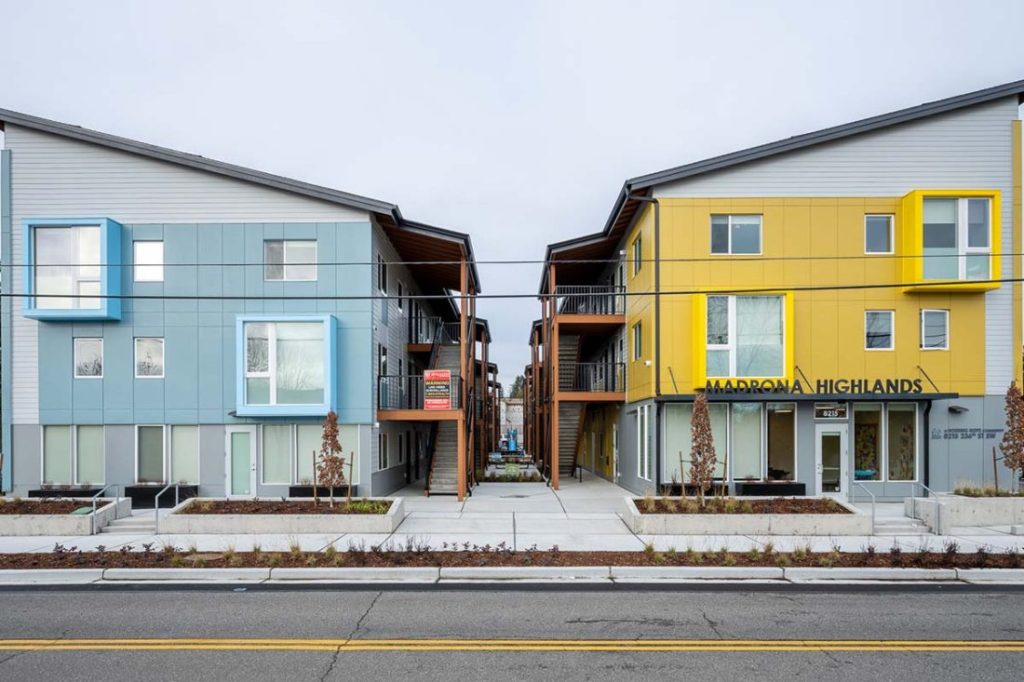
A disabled tenant (anonymous as “AB”) at Housing Hope’s 52-unit Madrona Highlands in Edmonds alleged severe issues including unchecked smoking, drug use, prostitution, violence, and denied ADA accommodations despite federal smoke-free grants. Move-in delays from September 2024 involved lost applications, rude staff, and broken systems; financial disputes included un-deposited checks and double-billed fees (~$1,800), culminating in an eviction notice. Maintenance problems persist with unresolved defects and poor repairs. AB filed complaints with HUD and the Human Rights Commission, citing discrimination and health impacts; Housing Hope reports police partnerships and audits but offered no specific response on the claims.
Housing Hope and ESD break ground on new affordable housing unit, Scriber Place
On October 1, 2025, Housing Hope and Edmonds School District broke ground on Scriber Place, a $38.7 million, 52-unit affordable housing project in Lynnwood for McKinney-Vento homeless families (over 700 in ESD). Set to open in December 2026, it includes supportive services via resident coaches for self-sufficiency. Funded by Snohomish County, state programs, federal sources, tax credits, and partners like Banner Bank, the ceremony drew ~200 attendees, including elected officials and leaders who emphasized collaboration, hope, and stable homes for education and thriving. Described as a pioneering public-private model for Washington.
Habitat for Humanity’s Bayside Home complete and sold to Habitat Homebuyers
Habitat for Humanity Snohomish County completed and sold its Bayside Home—a 950 sq ft, 3-bedroom single-family house in Everett—to first-time buyers Eli and Ivan Alvarado on February 28, 2025. Built on an urban infill lot with volunteer labor and $450,000–$500,000 in funding from donors/grants, the project addressed the couple’s needs after Eli’s spinal injury reduced them to one income and unsafe rentals. Selected for 50%-80% AMI eligibility, sweat equity, and education, the Alvarados gain stability and equity as first-generation U.S. homeowners. The initiative supports neighborhood revitalization, with plans to expand repairs and ownership opportunities.

Author: Kienan Briscoe