

Mondelēz International, the snack giant behind Oreo, Cadbury and Toblerone, has invested in an Israeli startup developing lab-grown cocoa butter, Celleste Bio, signaling a potential shift toward cell-cultured ingredients amid ongoing scrutiny of traditional chocolate’s composition and contaminants. The move aims to stabilize cocoa supplies battered by climate challenges and rising costs, with products possibly hitting shelves by 2027.
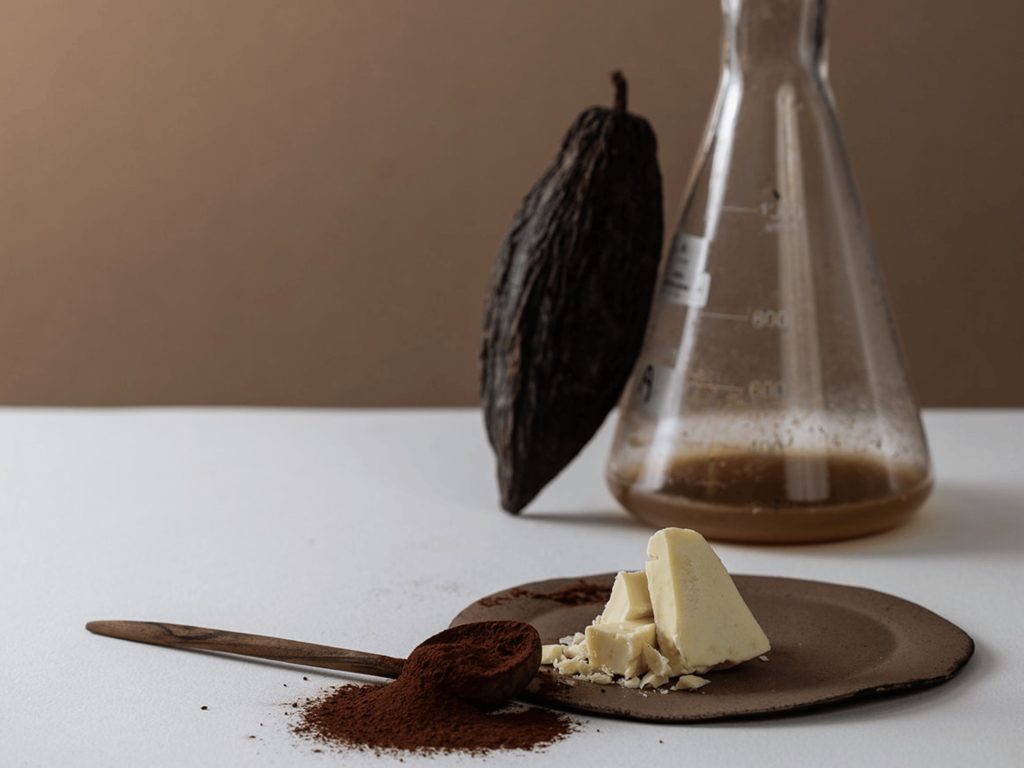
The company participated in a $4.5 million seed funding round for Celleste Bio, led by Supply Change Capital, to scale production of cocoa butter grown from plant cells in bioreactors. This follows an earlier investment in 2022, as Mondelēz seeks sustainable alternatives to conventional farming, which faces deforestation and volatile harvests. Celleste Bio, founded in 2022, plans to ramp up from lab-scale batches to commercial volumes exceeding 10,000 liters by 2027, potentially yielding cocoa butter from a few beans equivalent to tons of traditional pods.




In the U.K. and many markets, Cadbury Dairy Milk incorporates up to 5% non-cocoa vegetable fats such as palm and shea oils alongside cocoa butter, permitted under EU rules requiring at least 20% cocoa solids. This cost-saving measure contrasts with U.S. standards, which mandate only 10% chocolate liquor for milk chocolate, though some versions avoid palm oil entirely. Emulsifiers like polyglycerol polyricinoleate (PGPR) further dilute formulations, sparking debates over authenticity.
Studies reveal heavy metals in cocoa products. A multi-year analysis of 72 items found 43% exceeded California’s strict limits for lead and 35% for cadmium, though none for arsenic. Organic varieties showed higher concentrations, with median levels below thresholds but outliers raising flags.




Another Tulane University study of 155 chocolates noted cadmium primarily from soil absorption and lead from post-harvest processing, concluding no significant risk for adults from moderate consumption but potential issues for young children eating multiple servings weekly.
Over the past five years, cocoa prices have experienced significant volatility, starting relatively stable in the low $2,000s per metric ton, then surging dramatically in 2024 due to supply constraints from weather issues and crop diseases in major producers like Ivory Coast and Ghana. Prices peaked at an all-time high of $12,906 per metric ton in December 2024 before declining sharply through 2025 to $3,587per metric ton by February 2026.

Author: Mario Lotmore