

LYNNWOOD— The Lynnwood City Council is poised to take up a wide‑ranging agenda Monday, March 23, that includes zoning code updates, budget analysis and financial policy changes as city leaders seek to balance community priorities with fiscal realities amid ongoing population growth.
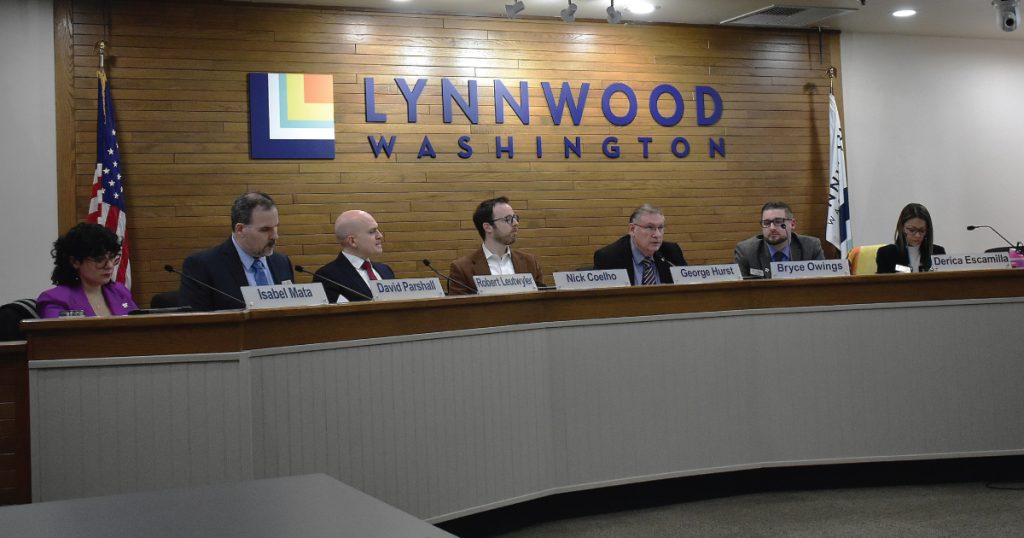
The meeting, scheduled to begin at 6 p.m. in the City Hall Council Chambers, will feature regular procedural items — such as approval of minutes and public comments — before moving into substantive policy discussions.
Among the key issues on the docket is a proposed ordinance that would modify the city’s Unified Development Code — a foundational set of land‑use and zoning regulations that guides development and growth in Lynnwood.
Unified Development Code Update
The ordinance, known locally as the Unified Development Code, is intended to refine and improve language in the city’s development regulations to streamline implementation and address practical concerns that have emerged since earlier code changes.


Zack Spencer, a city planner, and Karl Almgren, community planning manager, are scheduled to present the proposal, which staff says responds to feedback from developers, residents and city departments following prior zoning code overhauls.
“The Unified Development Code is a living document, and periodic updates help remove barriers to development while maintaining community values,” city documents state, highlighting goals such as promoting affordable housing opportunities and easing unnecessary regulatory constraints.


Councilmembers are expected to consider whether the changes will strike the right balance between encouraging investment and preserving neighborhood character.
Youth Council Progress
In the first of several non‑legislative items, the council will hear a progress briefing on the newly created Lynnwood Youth Council, an initiative intended to give local teens a voice in city governance.
Recreation Superintendent Kelly Schudde will lead the presentation detailing steps taken to launch the Youth Council, including outreach efforts to recruit members, planned activities and the council’s anticipated role in shaping youth‑focused policies.
The Youth Council — authorized by an ordinance adopted last summer — is designed to advise elected officials on issues such as education, recreation, transportation and civic engagement. Councilmembers will have the opportunity to ask clarifying questions about the structure and expected outcomes of the youth initiative during the 45‑minute briefing.

Supporters say the effort seeks to foster meaningful civic participation among Lynnwood’s younger residents, provide leadership experience and strengthen ties between youth and city government.
Financial Health: Fourth‑Quarter 2025 Report
A significant portion of Monday’s meeting will be devoted to financial matters, beginning with a briefing by Finance Director Michelle Meyer on the city’s fourth‑quarter financial report for 2025.
The report will provide a detailed snapshot of revenue and expenditures through the end of last year, covering the first half of Lynnwood’s current biennial budget. Officials note that these numbers remain draft until the city finalizes its 2025 financial statements, but they are a key tool for evaluating fiscal performance and future planning.
“I think it’s important for the community to understand where we stand financially,” Meyer said in a recent statement. “While we’re seeing some positive trends, we must also be realistic about the challenges that lie ahead.” (Note: paraphrase based on report context.)
Councilmembers are expected to ask questions about revenue sources, spending patterns and how well the city is meeting its budgetary goals at this mid‑biennium point.
Budget Gap Follow‑Up
Immediately following the financial report, Meyer will present a second budget briefing focused on follow‑up information about the 2025‑2026 budget gap.
Lynnwood, like many cities in the region, faced revenue shortfalls in 2025 that resulted in an estimated $25 million budget gap for the biennium. In response, city departments implemented cuts, transfers between funds were made, and the council adjusted the city’s minimum fund balance policy to free up resources.
According to the briefing cover sheet, those actions reduced the gap to roughly $3.75 million by the end of last year. Projections also factor in revenues anticipated from a new public safety sales tax that takes effect April 1, 2026, which could generate an estimated $1.75 million for the budget.
Staff will review updated budget trackers with the council, outlining remaining shortfalls and additional departmental reductions that have been identified as possible solutions.
Councilmembers have previously expressed interest in keeping a close eye on the gap, urging transparency with the public and a focus on preserving core services while maintaining fiscal prudence.
General Fund Reserve Policy Review
The council’s fiscal review will continue with consideration of a resolution to update the city’s General Fund Minimum Fund Balance Policy — a financial policy that dictates how much money the city must maintain in reserve to ensure stability.
The existing policy — adopted in prior years — states that the city should maintain a reserve balance equal to at least two months of operating expenditures. Staff is proposing that the city remove the policy’s current end date of Dec. 31, 2026, effectively making the two‑month standard permanent.
Finance officials note that maintaining a healthy reserve is considered a best practice by the Government Finance Officers Association, which recommends a range of between two and three months of operating revenues depending on risk levels.
Councilmembers will weigh the proposal’s implications for Lynnwood’s long‑term financial health, particularly as the city continues to balance competing priorities such as capital projects, public safety funding and economic development.
Public Comment and Community Engagement
As with past meetings, the council has allocated up to 30 minutes early in the agenda for public comments and communications. Residents are invited to share their perspectives on any item on the agenda or other issues facing the city.
Mayor’s messages, written communications and council announcements will also precede the business items, setting the stage for discussions.
Looking Ahead
The March 23 meeting represents a critical milestone for the Lynnwood City Council as members navigate complex policy areas that affect both the day‑to‑day lives of residents and the city’s financial trajectory.
With land use, youth engagement and financial stewardship all under scrutiny, council members are preparing for robust discussions that could shape Lynnwood’s direction for years to come.
The council is expected to adjourn the meeting following the completion of business items, with the next session to be scheduled as part of the city’s regular governance calendar.

Author: Kienan Briscoe