

WASHINGTON, D.C. — NASA Administrator Jared Isaacman unveiled a series of agencywide initiatives Tuesday to carry out President Donald J. Trump’s National Space Policy and restore American leadership in space. The announcements at the agency’s “Ignition” event defined an accelerated return to the moon, the construction of a permanent lunar base and the deployment of nuclear propulsion technology, and a commitment to expanding scientific research.
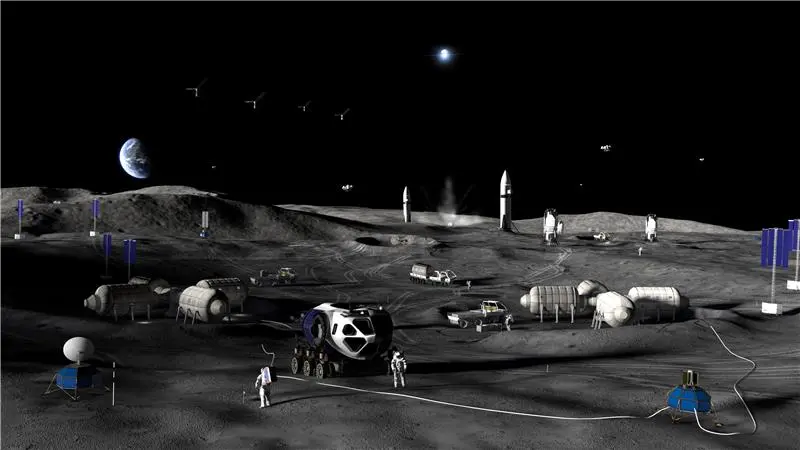
“NASA is committed to achieving the near-impossible once again, to return to the Moon before the end of President Trump’s term, build a Moon base, establish an enduring presence, and do the other things needed to ensure American leadership in space,” Administrator Isaacman said. “The clock is running in this great-power competition, and success or failure will be measured in months, not years.”
The initiatives represent a sharp departure from policies established under the Obama administration, where NASA restructured its human spaceflight efforts in 2010 by canceling the Constellation program, which had targeted a return to the moon, and instead shifted resources toward commercial partnerships.
In contrast, the Trump administration has redirected the agency toward lunar exploration and long-term presence, reviving and accelerating plans to place the U.S. back to the forefront of space exploration and dominance.




Central to this new direction, Isaacman shared, is a phased strategy for building the $20 billion moon base.
In the initial phase, NASA will ramp up commercial lunar payload services deliveries, deploy rovers and conduct technology demonstrations to test mobility, power systems and surface operations. The second phase will bring semi-habitable infrastructure and regular logistics, drawing on contributions from international partners such as Japan’s pressurized rover. By the third phase, cargo-capable human landing systems will deliver the heavier elements needed for continuous human operations, transitioning from periodic visits to a sustained outpost.


Building the moon base represents a commitment to a sustainable U.S. presence that will support long-term strategic objectives.
NASA will also be advancing nuclear power in space. Detailed plans for Space Reactor-1 Freedom, the first nuclear-powered interplanetary spacecraft, were revealed that will demonstrate nuclear electric propulsion on a mission to Mars before the end of 2028. The effort moves the technology out of laboratories and into operational use, promising faster travel times for future deep-space voyages.
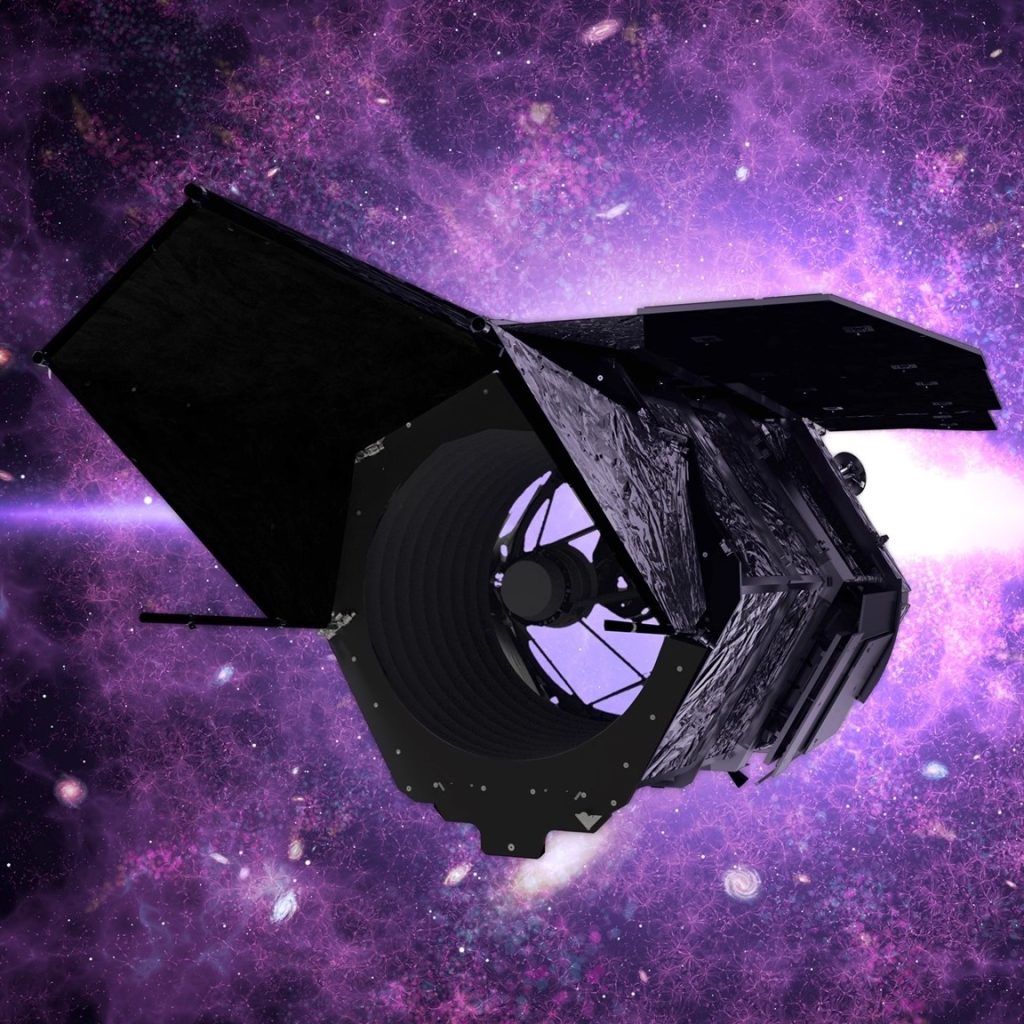
The agency will also open the lunar surface to researchers and students nationwide through dozens of commercial landings beginning in 2027.
Ongoing and upcoming missions, including the Nancy Grace Roman Space Telescope and the nuclear-powered Dragonfly octocopter bound for Saturn’s moon Titan, will continue to deliver new insights. At the same time, NASA is refining its approach to low-Earth orbit by preserving the International Space Station while fostering a commercial station ecosystem, ensuring no gap in U.S. human presence.

Associate Administrator Amit Kshatriya shared that the new directives now align resources with clear goals.
“Our workforce is the jewel of NASA, and from their leaders, they need clear mission goals, the tools to execute, and to get out of their way,” he said. “This is what Ignition is about.”
The initiatives build on recent Artemis program updates that standardize rocket configurations and target at least one lunar surface landing per year.

Author: Mario Lotmore