


EVERETT—Refugee and Immigrant Services Northwest (RISNW) teamed up with Lynnwood Food Bank and the Everett Police Department Thursday, November 20, to distribute 150 free Thanksgiving meals to refugee and immigrant families.
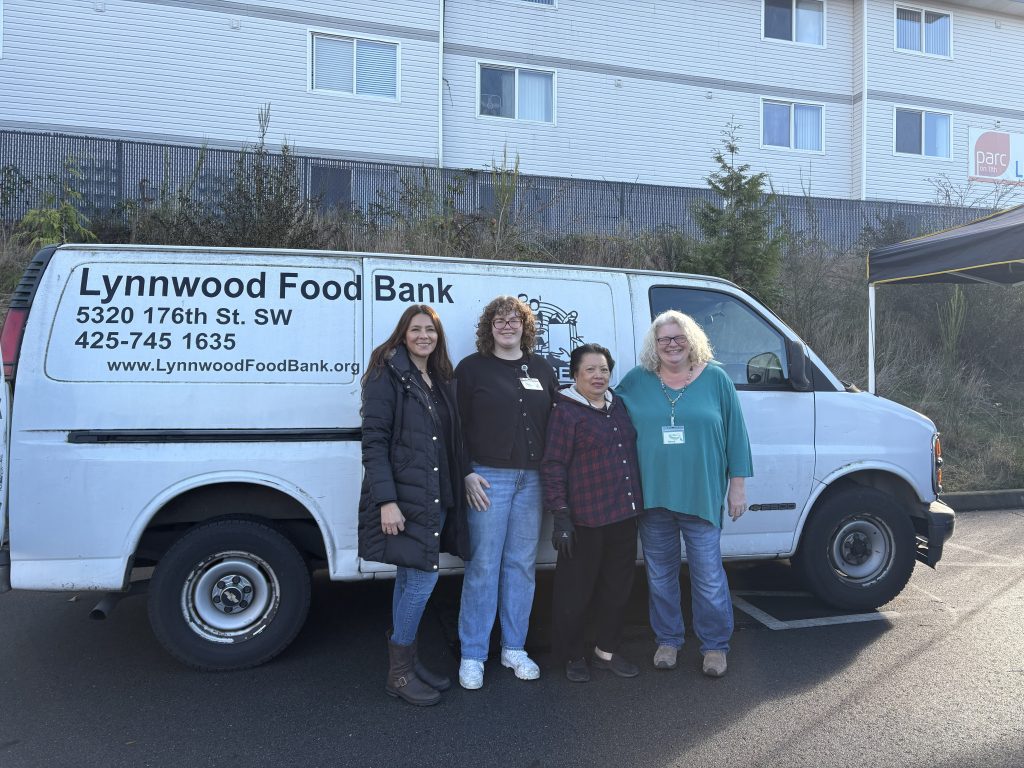
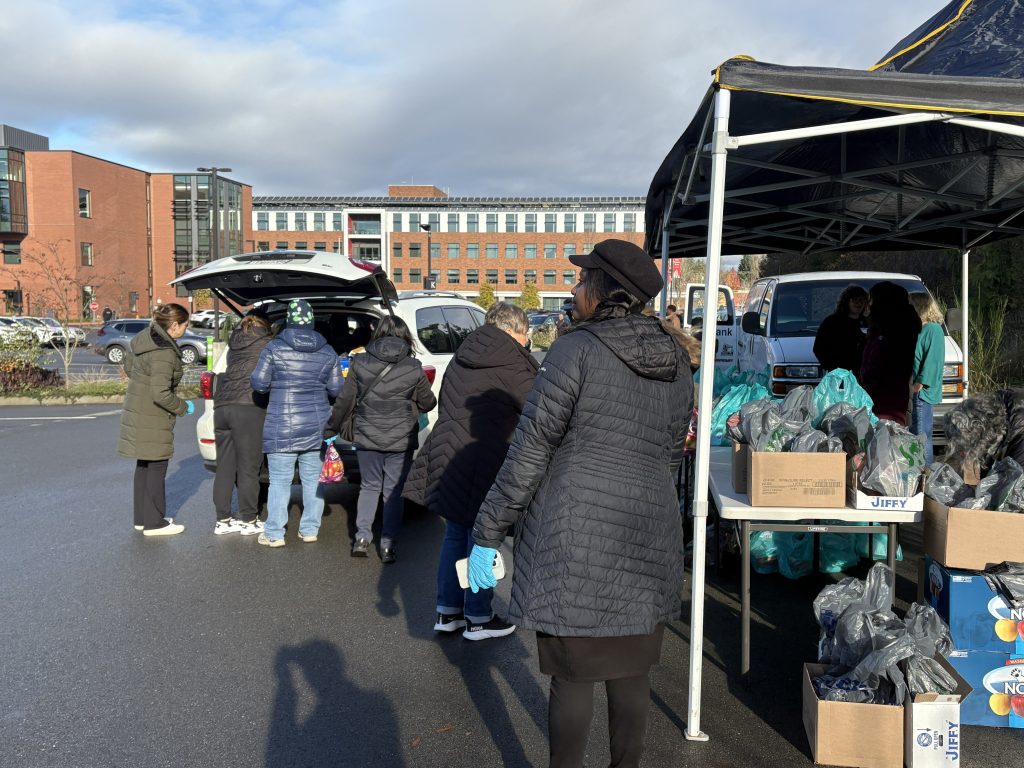
The distribution took place in the parking lot of Everett Community College/Washington State University Everett by ticket only. Meal tickets were sent out to refugee and immigrant community members who had enrolled with RISNW’s services and have lived in the U.S. less than one year.



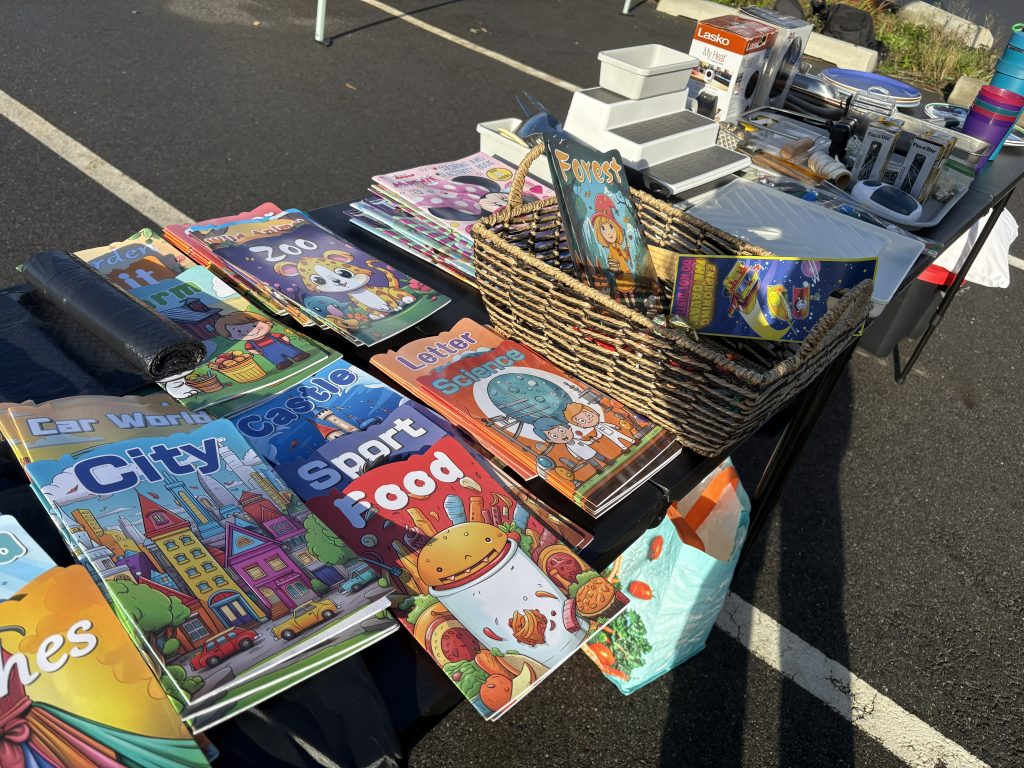
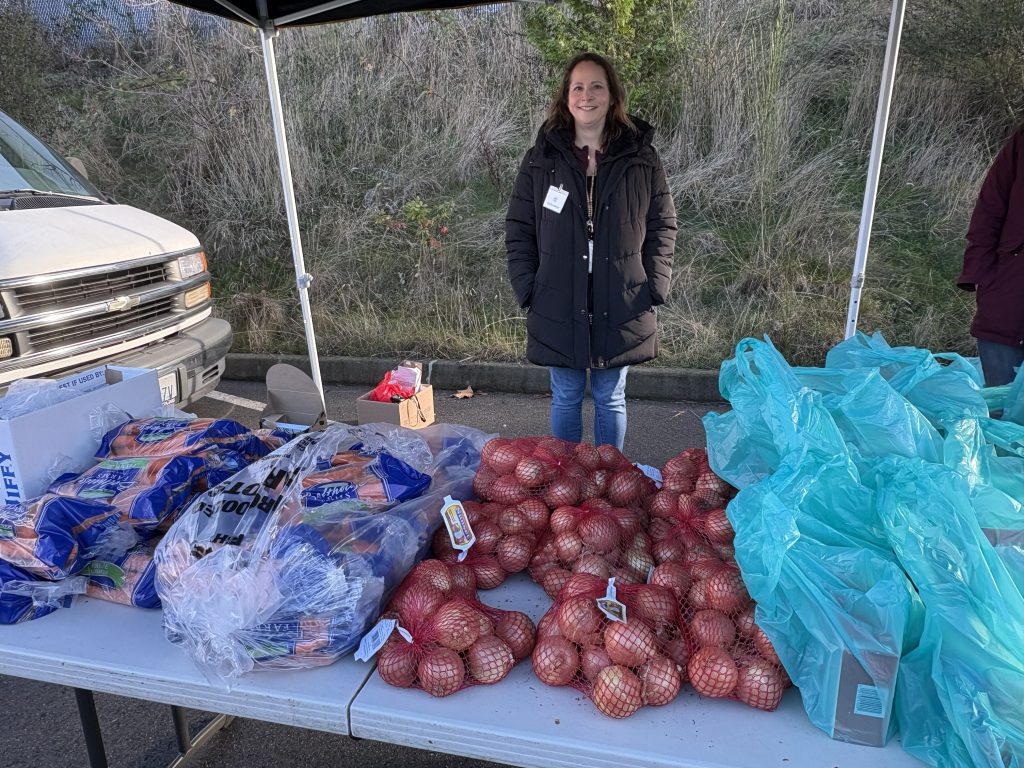
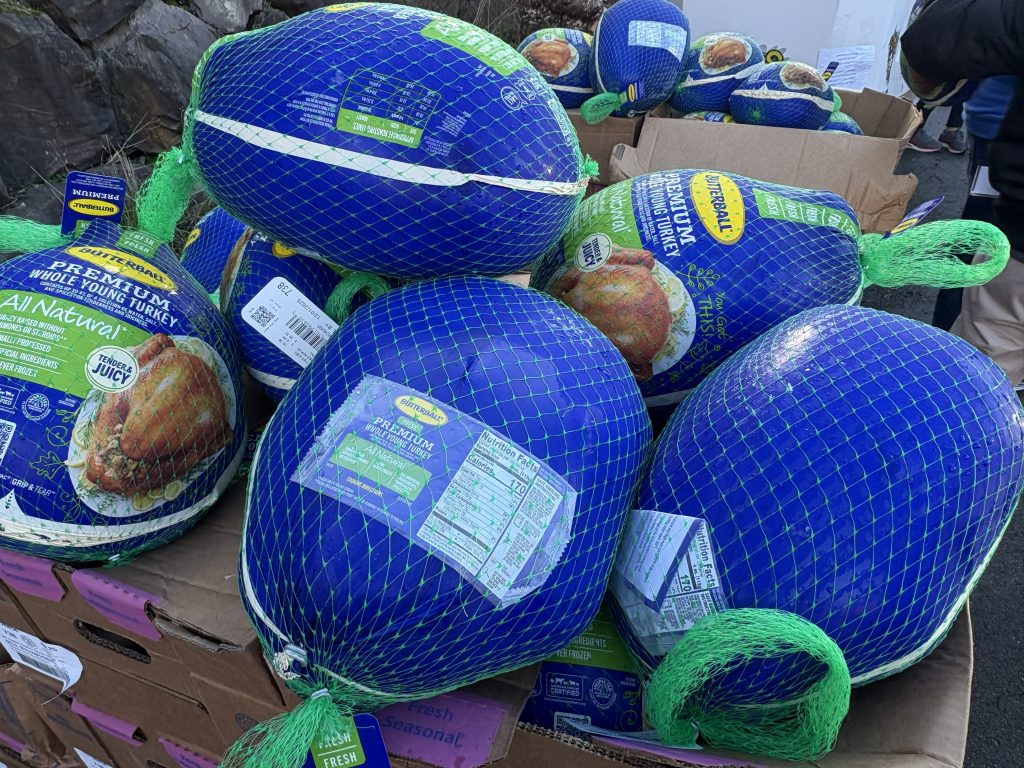
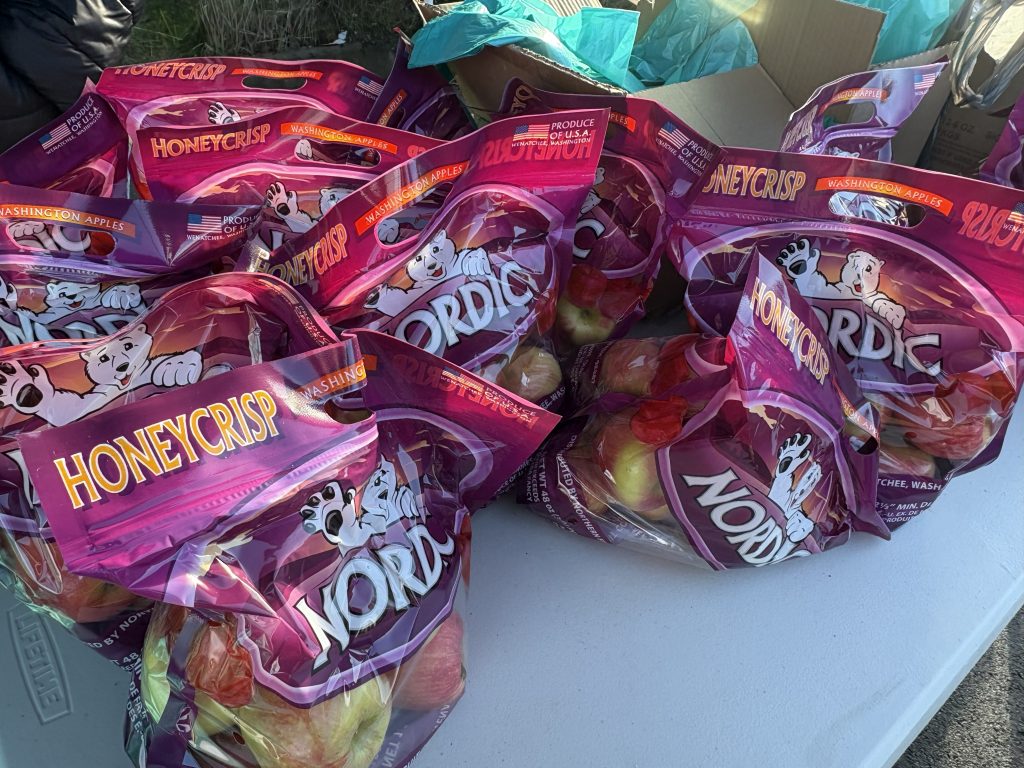
Meals included a frozen turkey, vegetables, corn bread, fresh fruit, potatoes, cabbage, cookies, stuffing, and everything else to feed a family of up to 12 people. Coloring books for children and household items were also available upon request.
“It’s pretty much a full meal deal for families,” said Van Dinh-Kuno, Executive Director of RISNW.



Dinh-Kuno continued that the meal kits focus on traditional American Thanksgiving meals, despite being distributed to immigrants and refugees, because the RISNW wanted to introduce them to the traditions of American culture.

“I remember 50 years ago I arrived in this country. My church introduced me to Thanksgiving and I think this is a beautiful holiday to celebrate. We give thanks to the people who are helping us, we give thanks to the people who love us, we give thanks to the people who are there for us when we need it,” said Dinh-Kuno. “We’re just showing people here that the way we celebrate Thanksgiving in America is very, very, important.”
Though this partnership has been ongoing for more than a decade, Dinh-Kuno added that this year is especially important due to several federal programs, that have historically supported immigrants and refugees, being cut. Just one example is SNAP benefits which ended last Friday.
“For the first few weeks of November these people have had no food at all,” said Dinh-Kuno. “I really don’t see any light at the end of the tunnel, at least in the next few years.”
While federal support may be limited, Dinh-Kuno said the community can step up to the plate and donate to RISNW and the Lynnwood Food Bank. Cash is the preferred donation method to the food bank, she added, since they know their community, and the people they serve, the best and are able to accommodate their diverse needs and dietary restrictions.
“Cultural food is important but we also really try to tailor the dietary requests we receive; gluten free is important, we have many customers who have celiac, it’s important for low sodium because health-wise those who typically use food banks have higher percentages of diabetes and hypertension, which are both diet-related issues,” said Alissa Jones, Executive Director of the Lynnwood Food Bank. “So being able to provide foods that support people having a healthy life is important. Nutritious food is important, cultural food is important.”
The Lynnwood Food Bank and RISNW have been partnering since 2020 when, during the pandemic, the Food Bank wanted to step up to the plate in helping the immigrant and refugee community who were being left behind, as far as testing, vaccine efforts, and government subsidies go.
“It’s a stressful time for everybody, including the people that we’re serving, but it’s really nice to see people stepping up and lending a hand to help out,” said Liz Jones, Assistant Director for the Lynnwood Food Bank.
Executive Director Alissa Jones added that food-insecurity also leads to higher rates of anxiety and depression so the region’s food insecurity problems are directly linked to behavioral health, and by extension housing security and substance abuse.
Aside from health equity, and of course food equity (they are a food bank after all), the Lynnwood Food Bank also partners with the RISNW on its Community Jobs Program where immigrants and refugees offer their volunteer services to the food bank to learn job skills and practice their language skills before initiating their job search out in the community.
The Community Jobs Program has resulted in one full-time employee at the Lynnwood Food Bank, who began as a volunteer through the RISNW. Having a diverse range of people is important for the Lynnwood Food Bank, Alissa Jones said, because when a diverse pool of people come to the food bank they see people that look like them, and speak their language.
“Thanksgiving invites us to gather with family and give thanks — but that becomes difficult when a family is unsure where their next meal will come from,” said Snohomish County PUD Commissioner Julieta Altamirano-Crosby, who has volunteered with Refugee & Immigrant Services Northwest since 2012 and serves on the Lynnwood Food Bank Board. “I’m grateful to RISNW and the Lynnwood Food Bank for showing what true community looks like going directly to the people, meeting needs with dignity and compassion, and ensuring families feel seen and supported, especially during the holidays.”
Van Dinh-Kuno shared with the Lynnwood Times that she is “not looking forward to 2026,” given the state of the world (with rising tensions between Venezuela, an ongoing war between Russia and Ukraine, conflicts in the middle east, and so on) and the U.S. Federal government making it much difficult for immigrants and refugees to renew their work authorization.
Currently work authorization can take up to a year to renew and a lot of employers will lay off employees if they do not have a valid work authorization.
In June 2025, following the Supreme Court’s temporary approval to end the “humanitarian parole” program (a now revoked Biden-era program), many companies dismissed employees who were unable to provide updated work permits.
“Immigration is changing by the hour, not the day, and we are so busy in trying to keep up with the changes. But if we don’t understand the changes how can we help our clients? The U.S. citizenship application takes a longer time to be notified of an interview coming up, they have to answer more and harder questions to pass the test,” said Dinh-Kuno. “So our refugees and immigrants really have no where to go at this point. Our country has cornered them.”

Author: Kienan Briscoe





One Response
Can you do some actual investigation instead of these horrible puff pieces?