

BOTHELL—Governor Bob Ferguson directed $500,000 from the Governor’s Economic Development Strategic Reserve Fund to support the expansion of IonQ’s quantum computing manufacturing facility in Bothell. The announcement came on World Quantum Day, April 14.
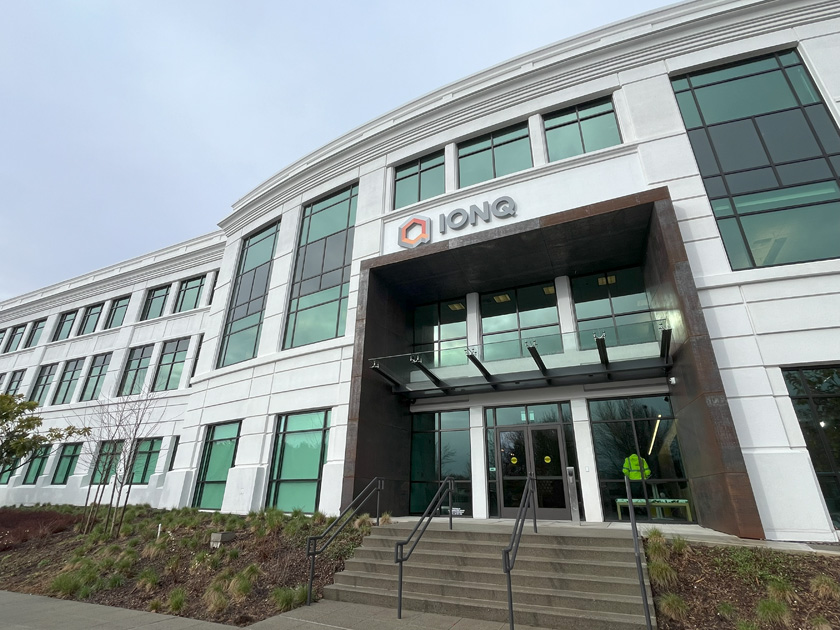
“Washington has always been a pioneer of new technology. Quantum is the future and it’s being built here,” Governor Ferguson wrote in a statement. “Washington has everything needed to support the success of this technology, which has the potential to transform our society. This investment is a win for jobs, for our economy, and for our reputation as a leader in tech.”



The funds were awarded to the Economic Alliance of Snohomish County that will cover building upgrades, workforce expenses and other costs for IonQ. Private investment exceeded $14 million for expansion. Officials expect the project to create 100 engineering jobs paying an average salary of $177,000 within the next 18 months and overall create between 1,200 and 2,000 jobs over the next five years, one of the highest job creation totals in the fund’s history, the Governor’s office said.
“Snohomish County has a deep legacy of pioneering innovation. Investments like the Governor’s Economic Development Strategic Reserve Fund into companies like IonQ affirms our region’s leadership, uplifts the communities around us and make Snohomish County and Washington state the epicenter for the future’s most important innovations,” said Ray Stephanson, Economic Alliance Snohomish County president and CEO.




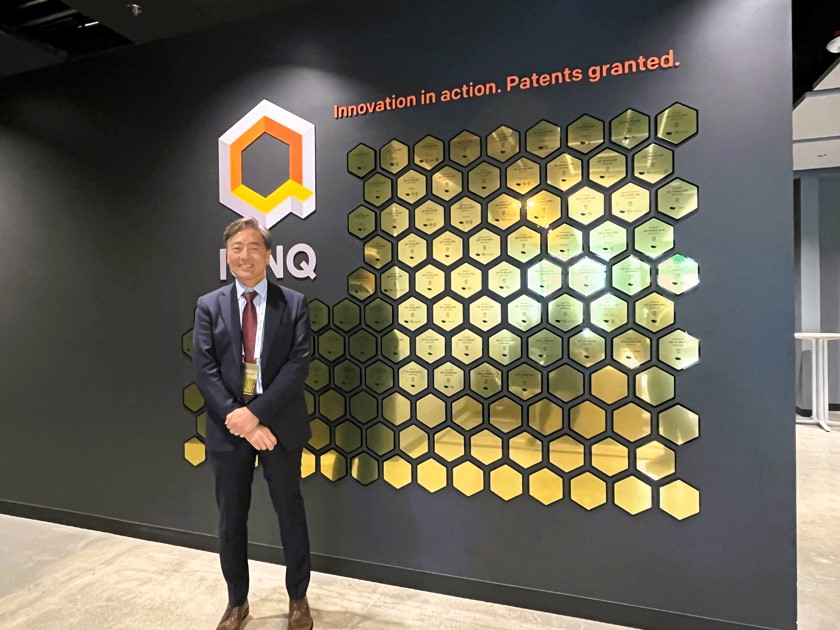
IonQ opened the nation’s first dedicated quantum computing manufacturing facility in Bothell in February 2024. The site later expanded to a full 100,000-square-foot hub for quantum computer production, research and development, and a second quantum data center.



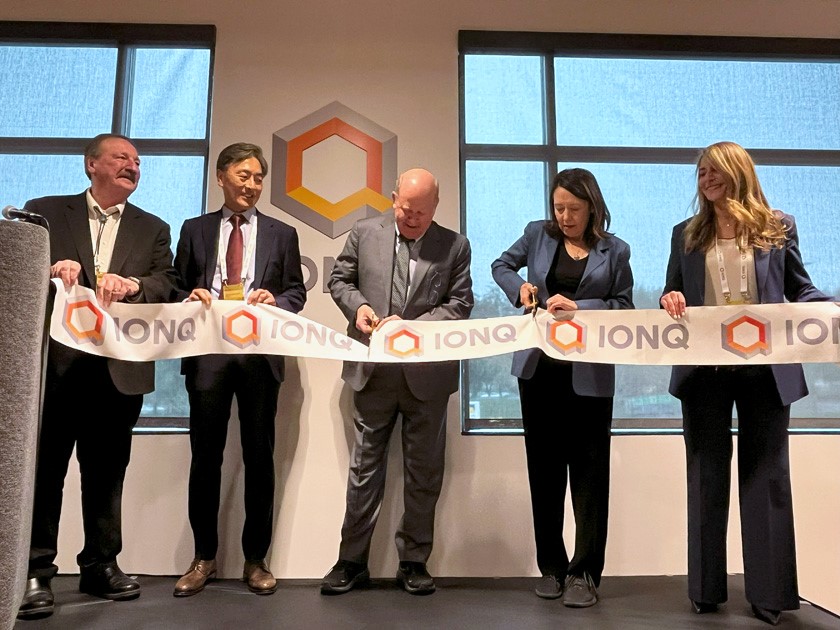
“The quantum computing industry has the potential to add thousands of new jobs here in the Pacific Northwest — jobs at all skill levels, from technicians to software developers,” said U.S. Sen. Maria Cantwell at ionQ’s 2024 opening. “Our region is already known worldwide for our innovation and leadership. And this facility will continue to build on that… We are becoming the ‘Quantum Valley,’ if you will, of the United States.”
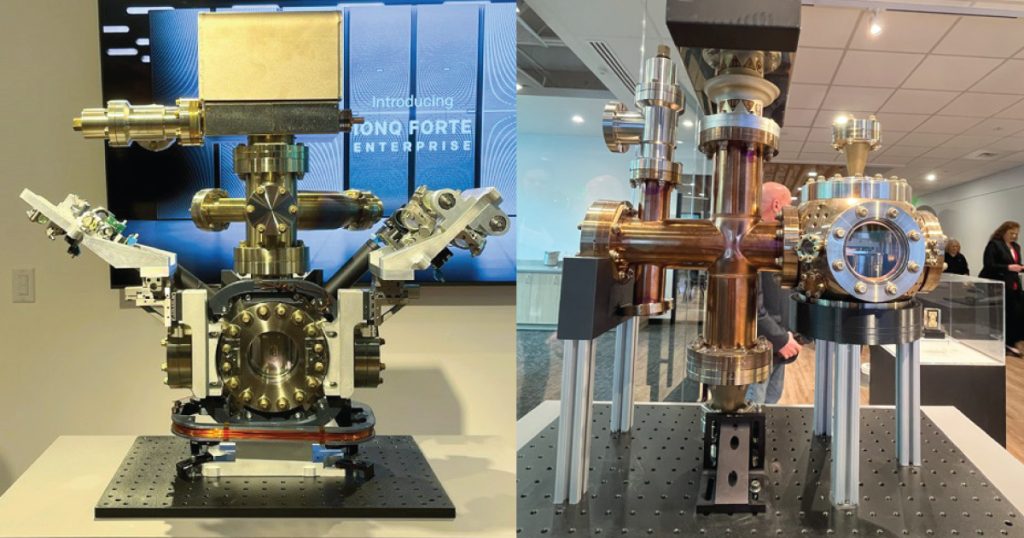
Unlike a conventional computer, which uses binary bits (typically ones and zeros) as its unit of information, quantum computers operate at a subatomic level, trapping atoms out of the atmosphere and, with specialized lasers, manipulates particles (such as photons and electrons) to use what’s called a quantum bit (or qubit) to allow the particles to exist in more than one state at one time. What this means for computer performance is essentially an upgrade in every way from data to performance time, to solving complex problems and has potential to transform industries such as health care, energy and cybersecurity.
The Maryland-based company was founded in 2015 by physicists Christopher Monroe and Jungsang Kim. It drew on academic research from the University of Maryland and Duke University and became the world’s first public pure-play quantum computing company in 2021.
Washington state has long stood as a tech industry leader by being home to companies such as Microsoft and Amazon and has one of the highest concentrations of tech workers in the country.
“Washington is rapidly becoming a critically important region for quantum manufacturing, and Governor Ferguson’s support is a powerful catalyst for that growth,” said IonQ Chairman and CEO Niccolo de Masi. “This strategic investment allows us to accelerate our expansion in Bothell, scaling the production of the world’s most advanced quantum systems while creating thousands of high-wage, high-impact jobs. We are proud to partner with the state to ensure Washington remains at the forefront of quantum’s technological revolution.”
Revenue for the SRF comes from unclaimed lottery prize money. The funds are intended to attract and retain jobs and economic investment in Washington, limited to highly strategic projects that deliver significant job creation and capital investment. These projects were considered in partnership with local associate development organizations (ADOs), and they must be accompanied by private investment.

Author: Mario Lotmore