

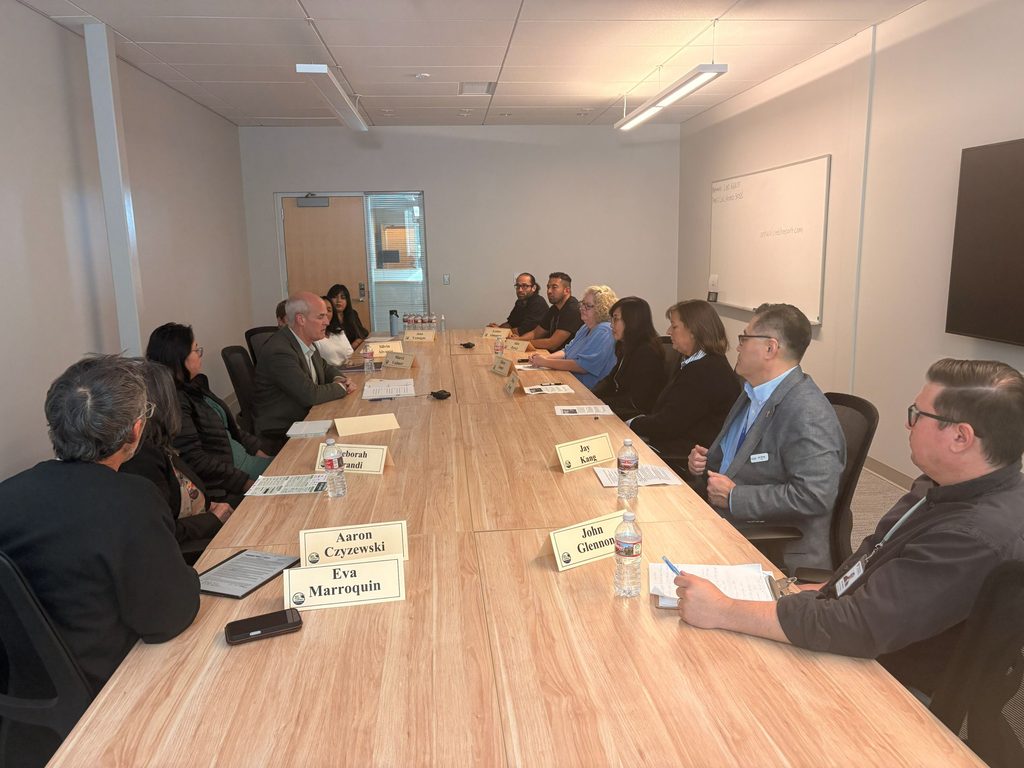
LYNNWOOD— U.S. Congressman Rick Larsen (WA-02) hosted a roundtable with South Snohomish County hunger prevention authorities, nonprofits, and community leaders who face hunger every day, to hear from his constituents what could be done to offset Washington’s food insecurity issue.
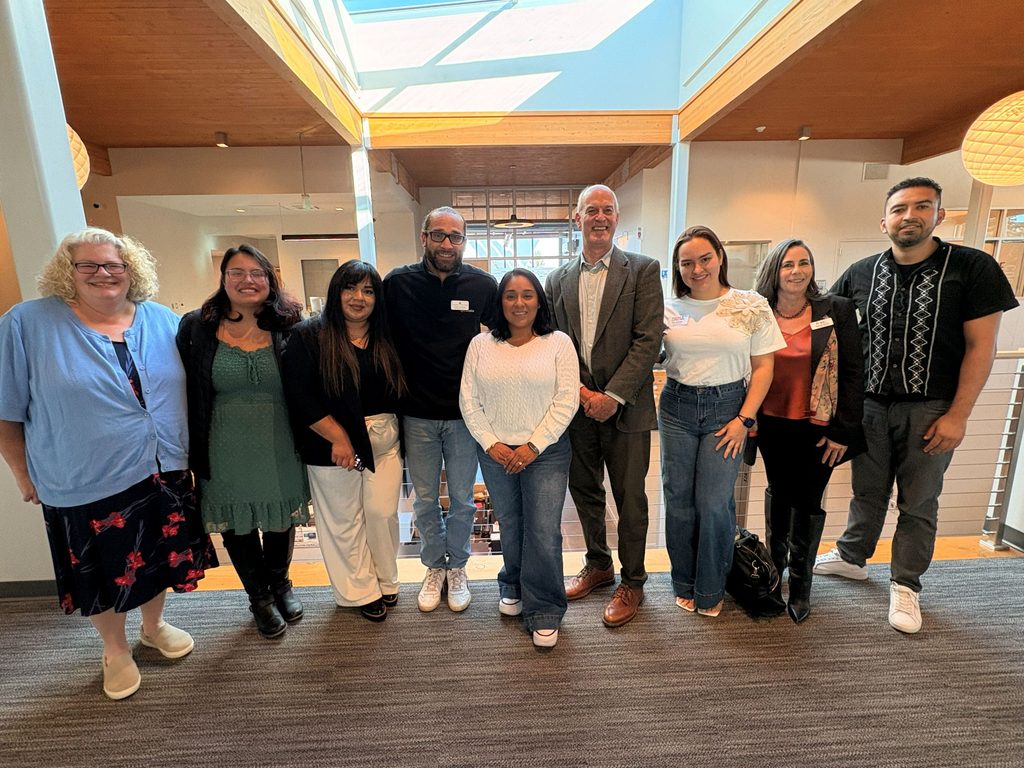
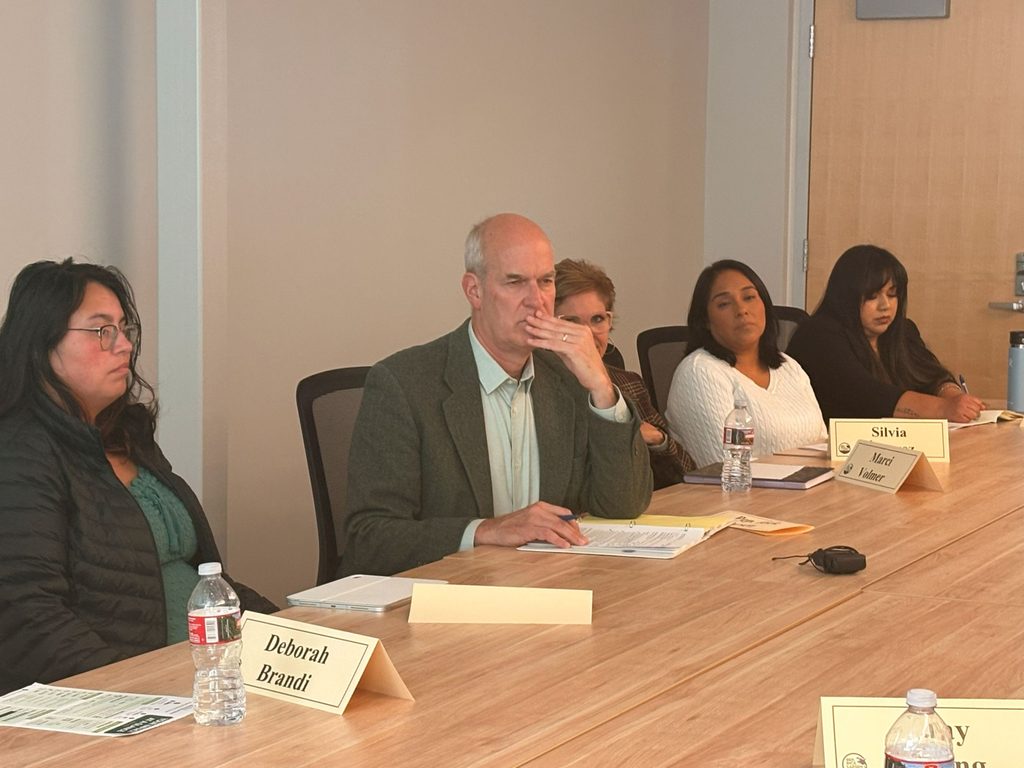
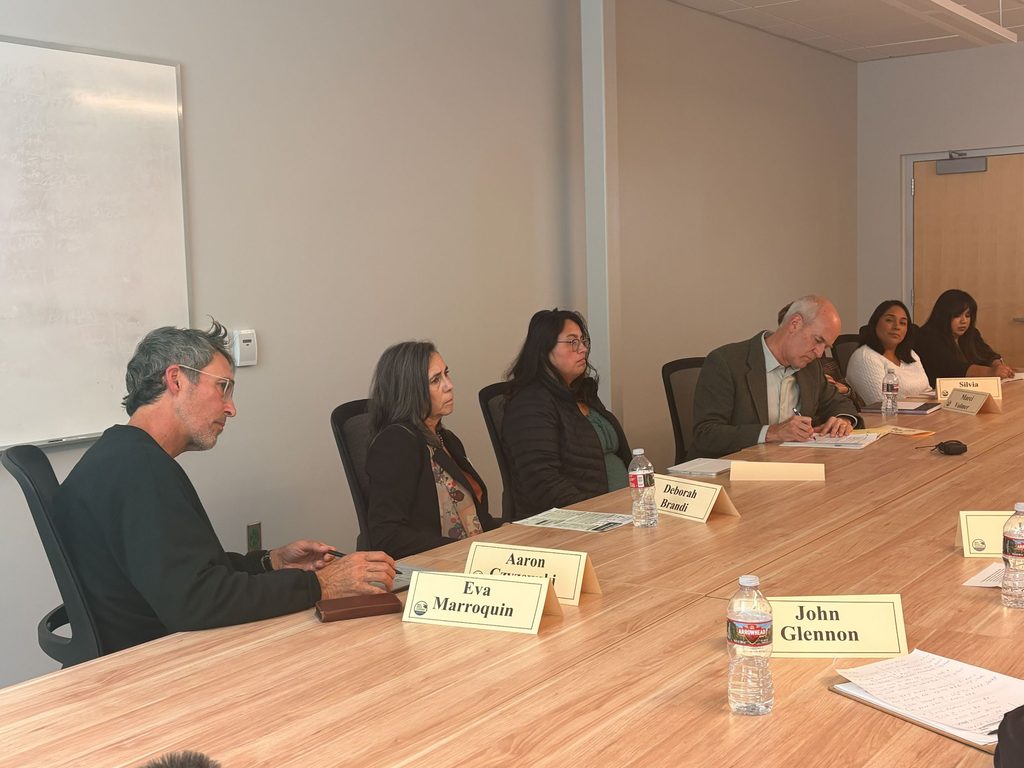
The roundtable took place at the Lynnwood Neighborhood Center and consisted of Eva Marroquin and Aaron Czyzewski with Food Lifeline, CEO of Homage Senior Services Jay Kang, Director of Hunger Prevention Services for Volunteers of America John Grennon, Foundation for Edmonds School District Executive Director Deborah Brandi, Founder and Executive Director of Triumph Teen Life Center Silvia Alvarez, President and CEO of the Boys and Girls Club Marci Volman, Executive Director of the Lynnwood Food Bank Alissa Jones, Helen Joung, Assistant Superintendent/Supervisor of Food Services Programs, Edmonds School District, Lester Almanza, Senior Programs Manager, Edmonds Food Bank, and Ana Venegas, Program Coordinator, Triumph Teen Life Center.

Back in July of last year, Republicans passed the One Big Beautiful Bill (which Larsen and his team refer to as ‘the Big Ugly Bill’), which cut funding for SNAP by $186 billion. 57,319 people in Washington state have lost SNAP coverage since the enactment of this legislation, and more than 130,000 Washingtonians are projected to lose their SNAP benefits over the next decade if they don’t meet new work requirements.
In 2024, 102,790 people were facing hunger in Snohomish County, or just over 12% of the population. 9% of households in Snohomish County receive SNAP benefits to help put food on the table.




Rep. Larsen supports repealing the Trump administration’s cuts to SNAP and is working to bring down food costs by ending the war in Iran and the country’s tariffs. He has also led legislation to combat childhood hunger and expand access to meals outside of regular school hours (the Summer Meals Act).

Food costs continue to rise across the nation, according to data from the U.S. Congress Joint Economic Committee. Americans paid an additional $310 for groceries last year, compared to 2024, and grocery prices are now 4% higher than January 2025.

Families have also spent an additional $4,800 on average on healthcare, housing, energy, and food costs, since January 2025 and the same wallet that pays for these increases, Representative Larsen said Thursday, is the same wallet used to buy food.
Monthly premiums for healthcare under the Affordable Care Act plans, for example, have risen over 50% on average.
All of this is further compounded by gas prices which Rep. Larsen attributed to the current war in Iran (of which he voted six times now to end).
“It’s pretty clear that the Iran war is increasing gas prices and tariffs are increasing food prices,” Larsen said Thursday. “I don’t check every gas station in my district, but I was smart enough to check Rucker Mart in Everett – which has the cheapest gas in Everett at the moment – and gas prices there are 50% higher today than they were on January 20.”

Larsen said the solution starts with reversing cuts to SNAP food benefits, which he supported in an amendment to a recent farming bill…but it was blocked. It also comes down to reversing President Trump’s tariffs which he attributes to rising food costs and impacts to the economy in general.
Locally, the Foundation for the Edmonds School District served over 10,500 breakfast and lunch meals at its summer camp and distributed over 361,000 food items. But last October, when the reduction to SNAP went into effect, the Foundation went from serving 100 kids a week to 800 kids a week.
Years ago, the Foundation partnered with Providence Institute for Healthier Living to streamline the food supply chain to get the 30% of food waste from farms to families but the project lost funding. Deborah Brandi, with the Foundation, said if the project could get federal support this could be one solution.
At Food Lifeline, the nonprofit annually supports 315 food banks, food pantries, meal programs, and shelters throughout Washington. According to Aaron Czyzewski they are essentially “a food bank to a food bank.”
In surveying its partners and agencies in its network, Food Lifeline has learned that within the last year they recorded 17.5 million visits, which is up 63% from the two years prior.
“While those visits rose to 17.5 million, the actual individual visits, the unduplicated visits decreased,” said Czyzewski. “So clearly people are more frequently required to rely on a food bank or a food pantry to get by. Certainly, this means the household budgets are not stretching far enough.”
Food Lifeline also distributed more than 75 million pounds of food, which is an increase of 3% from last year but it’s not keeping up with the 9% increase that regional food banks are seeing.
From the food banks perspective, John Glennon with the Volunteers of America Western Washington – who oversees the food banks in Everett and Sultan as well as the food distribution center in Arlington – said the Everett food bank has seen a 12% increase in individual’s utilizing the food banks, a 9% increase in households, which is about 3,500 households per month.
For the Snohomish County Food Coalition, which oversees food banks across Snohomish County, there has been a 14% increase in individuals, and then a 11% increase in households.
“When you’re taking away resources that people are relying upon, the food bank becomes a more prominent resource that people might rely on,” said Glennon. “These increases are over already record-breaking increases.”
Glennon added that the Everett food bank is funded 90% of the community and 10% by state programs, but he worries that as more people are impacted by “insane grocery prices and gas prices” these individual donors might not have the flexibility to continue their support.
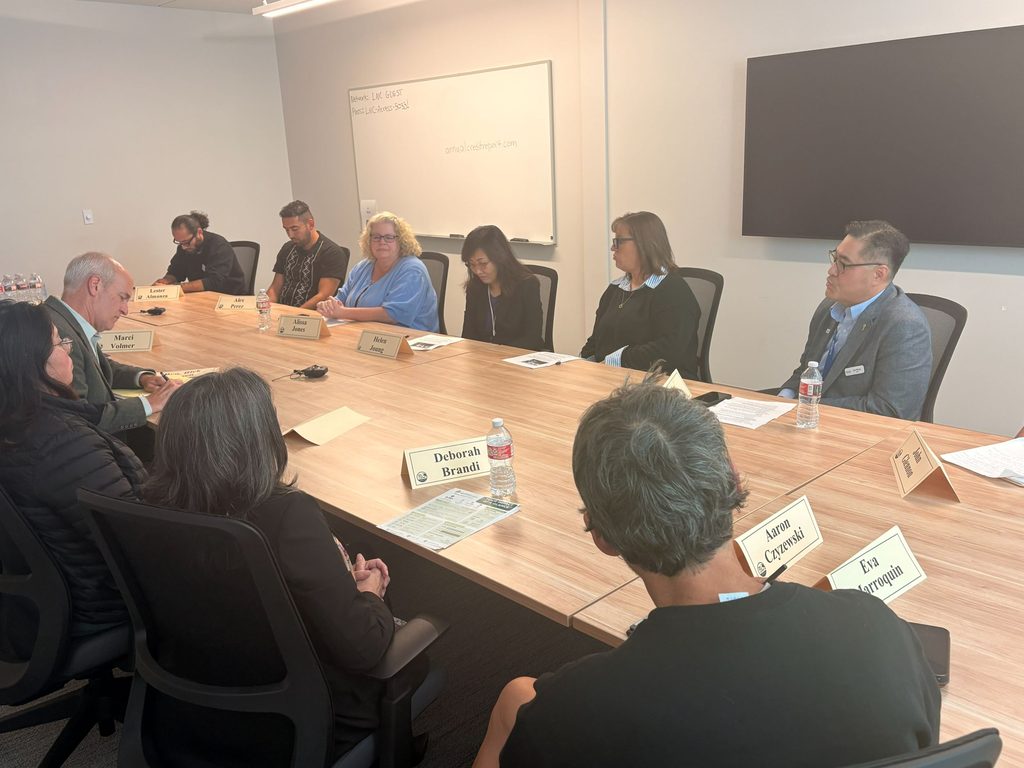
Alissa Jones, with the Lynnwood Food Bank also added that food banks also need a variety of different types of foods (for dietary restrictions) and foods that are nutritious.
“Food insecurity is often nutrition food insecurity,” said Jones. “A family can have food to eat but that doesn’t necessarily mean it’s healthy nutritious food.”
SNAP cuts also impact school districts, said Helen Joung, Assistant Superintendent for the Edmonds School District, with most of the district’s children and families qualifying for free or reduced meals but 14 out of 20 schools are slated to lose that status next year.
This will impact up to 4,000 students during the 2027 school year, the school district said.
Alex Perez, with the Northwest Agriculture Business Center, and another participant of last week’s roundtable, presented the perspective of local farmers.
Perez noted that SNAP could be used at local farmers markets which helped support farmers, but since the cuts it has drastically impacted local agriculture.
“Where does food come from? Farmers,” said Perez. “But farmers are also struggling right now because of operational costs.”
Larsen said he had his work cut out for him as he brought the information from the discussion back to the White House.

Author: Kienan Briscoe