

EVERETT—Compass Health cut the ribbon on its brand-new, state-of-the-art, regional behavioral health center on Wednesday, September 17, which will serve over 1,500 individuals suffering from behavioral health and substance abuse issues, through 30,000 points of service, a year.
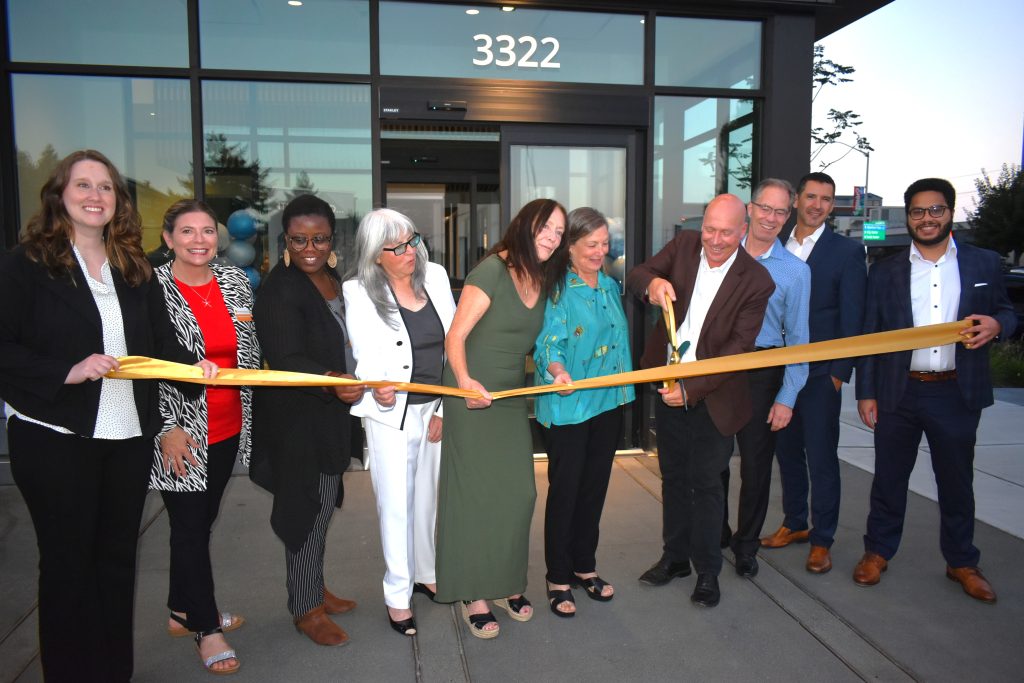
“This facility will benefit Snohomish County, and in fact, the entire region that we’re serving,” Compass Health President and CEO Tom Sabastian told the Lynnwood Times. “As you know there’s so much community need in terms of behavioral health challenges. We’re just so excited to be able to step in and create this resource and hire the talented staff that are so dedicated and passionate to really this space of hope, healing, and recovery.”
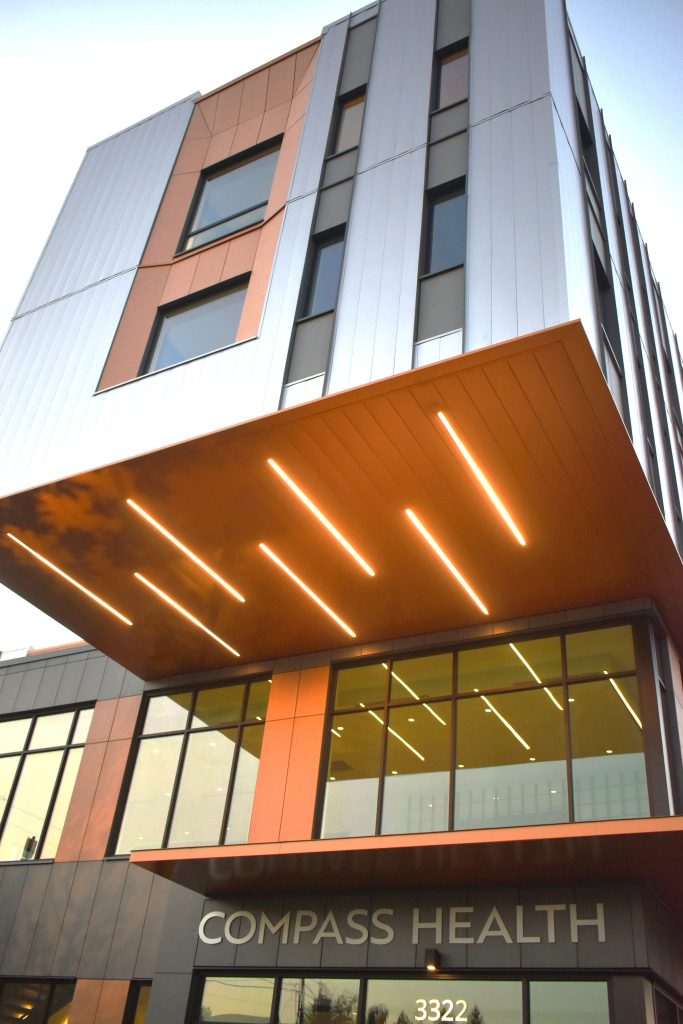
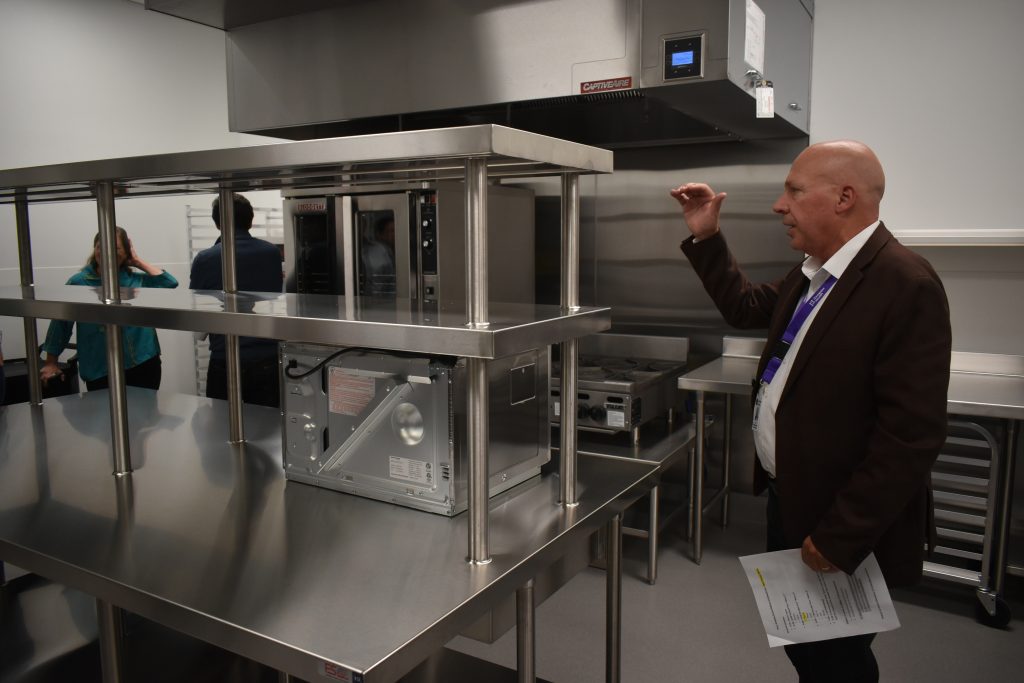
Named the Marc Healing Center, after longtime Compass Health team member Marcelene Lowes, the new 70,000 square foot, five-story, building houses a 16-bed evaluation and treatment (E&T) unit, a 16-bed crises triage center, intensive outpatient behavioral health services, green spaces, an on-site courtroom, an industrial-sized kitchen, a pharmacy, and offices for crises prevention and outreach.
Lowes has spent more than 40-years working with Compass Health where she dedicated much of her career to the Snohomish County Intensive Outpatient Program (IOP) and became a trusted figured for her clients and team, Compass Health said.




Located right in the heart of downtown Everett, at 3322 Broadway, this project, seven years in the making, was largely supported by public, private, and philanthropic partnerships. Its whopping $71 million price tag was mostly paid for by a significant investment from the State of Washington, along with contributions from Snohomish County, the City of Everett, and the federal New Markets Tax Credit program.
The remaining funding came from a Compass Health-led capital campaign, a first of its kind for the nonprofit healthcare organization, called the Campaign for Compass Health. This campaign filled the $14 million gap with contributions from lead funders, including the Sunderland Foundation, Coastal Community Bank, the M.J. Murdock Charitable Trust, the Norcliffe Foundation, and Premera Blue Cross.


The project also received federal Human Resources and Services Administration (HRSA) funding with the support of U.S. Representative Rick Larsen, as well as several significant lead gifts from individual and family donors.
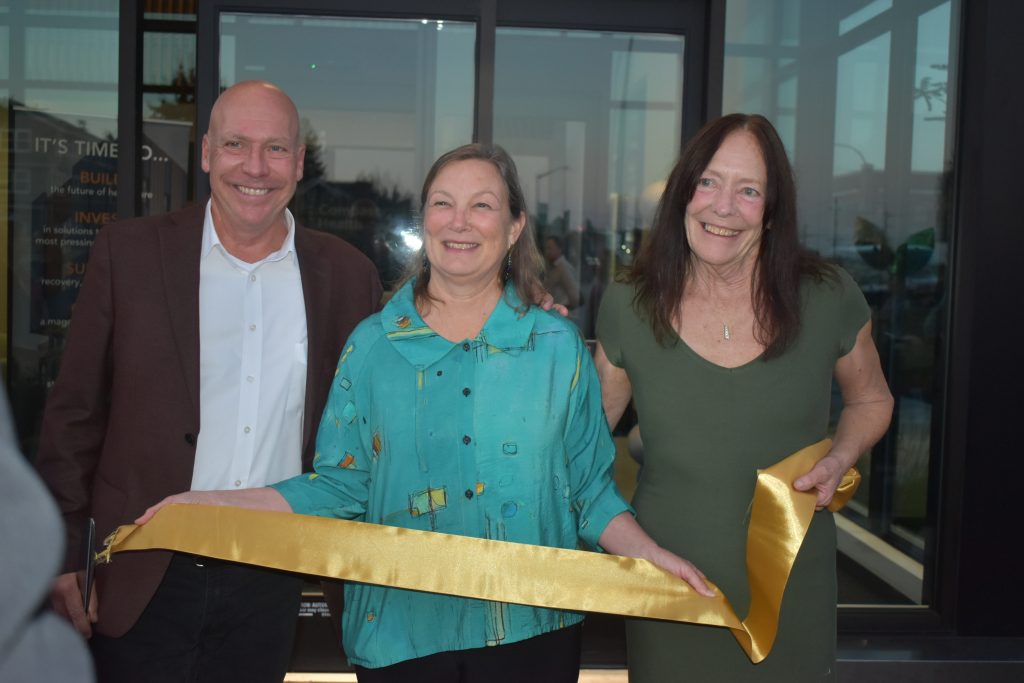
“I just think it’s so cool that all of these entities in our community came together to build this facility which will serve our community so long into the future,” Sabastian told the Lynnwood Times.
As far as the development team, BNBuilders served as the healing center’s general contractors, with Ankrom Moisan Architects as the project architects, KPFF as the structural engineer, Harmsen as the civil engineer, Bush Roed Hitchings as surveyer, Sider + Byers as the mechanical and electrical engineer, SiteWorkshop as the landscape design, RDH as the envelope consultant, and RWDI as the LEED consultant. Lastly, Lotus Development Partners handled the finance.
At Wednesday’s ribbon cutting ceremony, Compass Health welcomed community members, supporters, and elected officials to commemorate the new facility’s grand opening with a mingling hour, complete with light refreshments and catering provided by Kindred Kitchen, and staff-led tours through the center’s multiple rooms and floors.
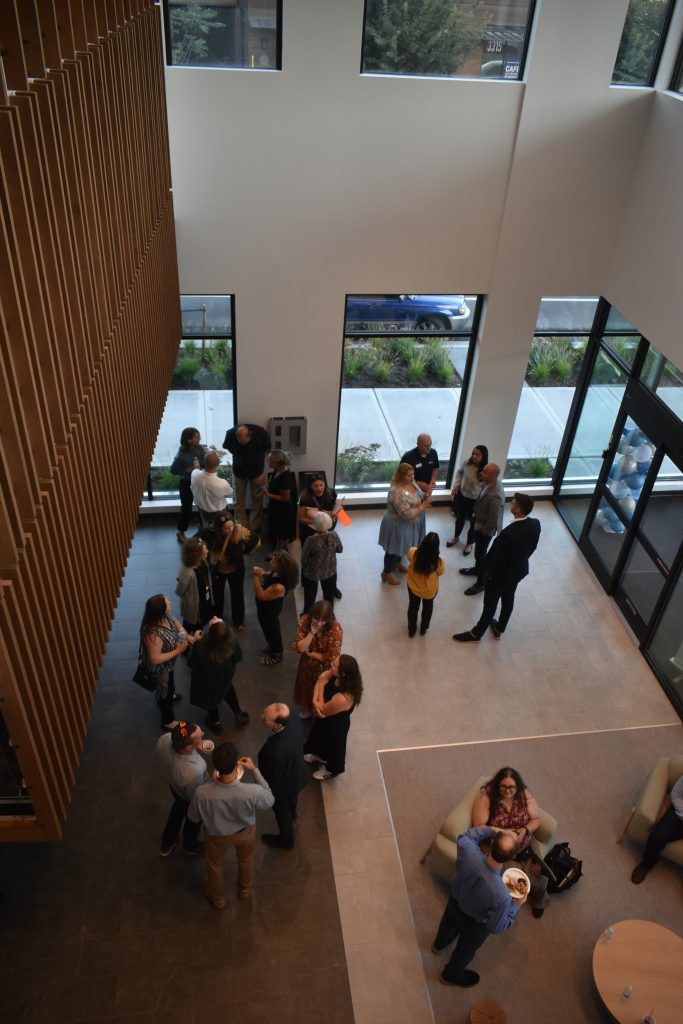
The tour first took groups through the floors of both volitional, and nonvolitional, patients suffering from extreme behavioral challenges – including the various rooms, offices, detox centers, and crises stabilization units which are scheduled to open later this year.
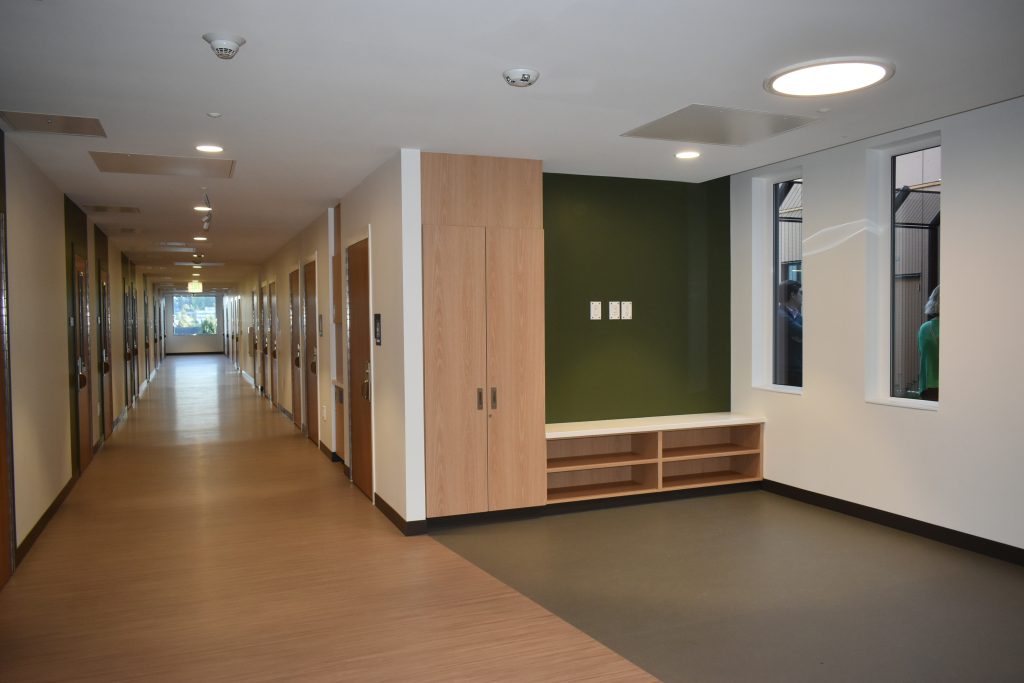
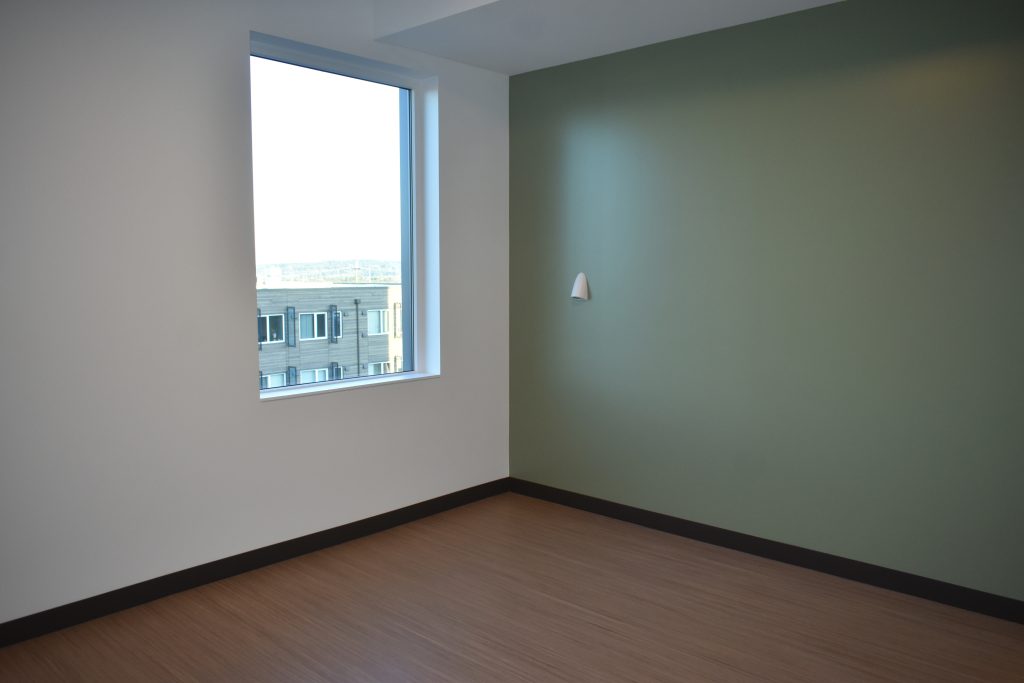
The facility also has an on-site courtroom for those required to attend hearings, either through drug courts or other legal challenges, an industrial-sized kitchen which will prepare three nutritious meals a day (in addition to snacks), and several outdoor spaces where patients can get fresh air throughout the day.
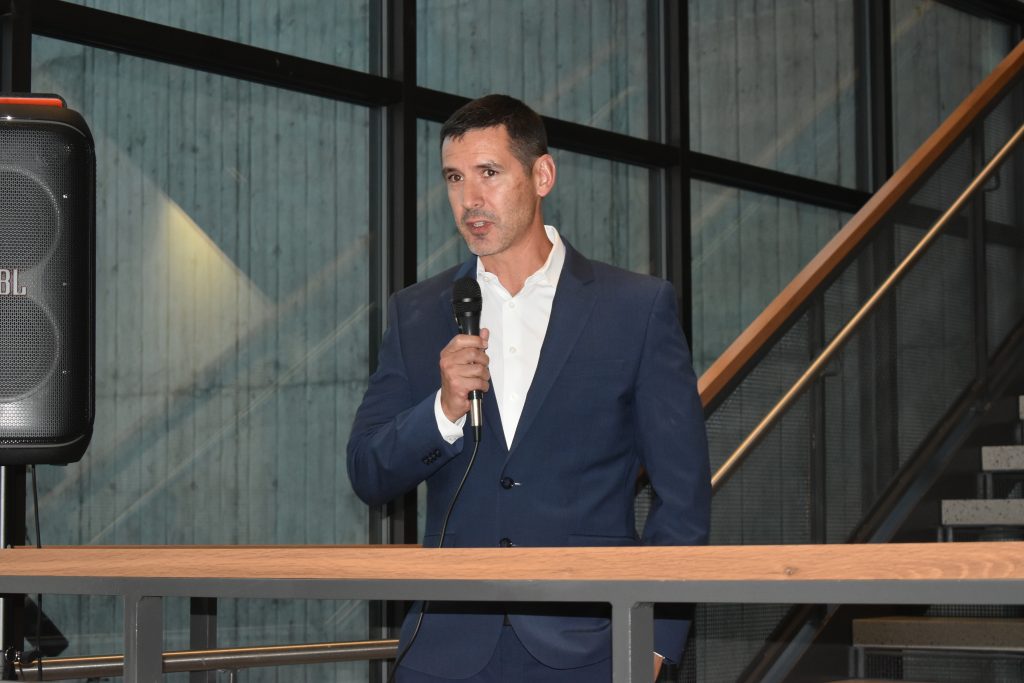
Following the tours, and right before the ceremonious ribbon was cut signifying the Marc Healing Center’s grand opening, Compass Health CEO Tom Sabastian, Washington State Senator June Robinson, and Coastal Community Bank Senior Vice President Isaac Maldonado shared some remarks about how this new center will greatly contribute to tackling the region’s various mental health challenges.
“This [building] will help facilitate behavioral healthcare for people that need it. Through the state, policy-wise, we’ve been working for years to spread behavioral health resources around so that people don’t all need to go to our state hospitals, that people can go and get services in their community where they grew up, where they live, and this is a big part of that overall vision that we have for the state,” said Sen. June Robinson, Chair of the State Ways and Means Committee. “I can’t think of a better way to spend state and federal resources than on this building. This is going to provide amazing healthcare for those who need it.”
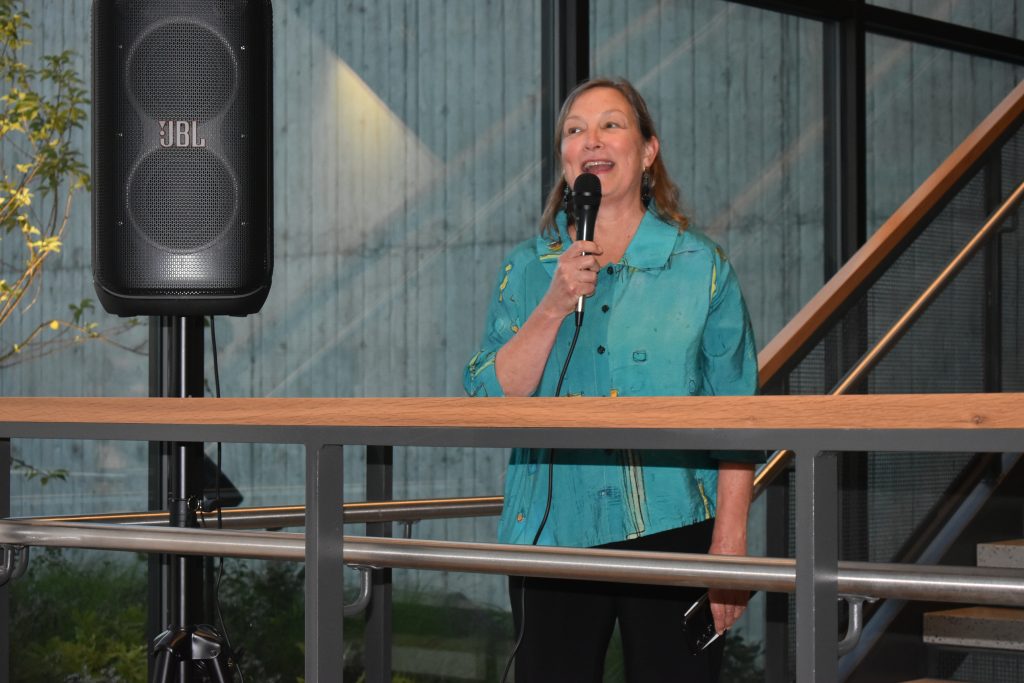
Coastal Community Bank Senior VP Isaac Maldonado followed Sen. Robbinson by sharing that, when he first walked into the building Wednesday, its architecture and “warmth” was indicative that this was not just another institution, but a facility where individuals can receive “wraparound service.” Coastal Community Bank was pivotal in funding the project through Compass Health’s capital campaign.
“This building is going to lessen the workload of first responders working in law enforcement or emergency rooms,” said Maldonado. “It feels like you guys, at Compass, are setting the tone. You’re setting the tone for what it could be like, to really set the bar, for other community health organizations across the country.”
The completion of the Marc Healing Center marks the completion of the second phase of Compass Health’s Broadway Campus Redevelopment Project – a three-phased initiative to bring behavioral health care, primary health care, and permanent supportive housing services on a single city block.
Andy’s Place, which was the first phase of this initiative, is an 82-unit housing facility nearby coupled with support services for people with chronic behavioral health challenges.
The third, and final phase, of the initiative is still in its early planning stages but will bring together behavioral health services, primary healthcare, and residential units as well as hold office space for Compass Health administration.

Author: Kienan Briscoe