


WASHINGTON, D.C. — A House subcommittee hunting waste in federal homelessness programs spent Tuesday on a bigger fight: whether “Housing First” gets people off the street, or whether it parks addiction in subsidized units and calls that success.
The Subcommittee on Delivering on Government Efficiency (DOGE) held a hearing on September 15 titled “Fixing Fraud and Failure in Federally Funded Homelessness Services.” Republican lawmakers pointed to Los Angeles contracting scandals and street video from West Coast cities, Seattle included, and said Continuum of Care grants have fattened nonprofits as drug-fueled homelessness continues to rise. Democratic lawmakers called it midterm theater of criminalizing poverty and aid cuts.



Los Angeles Mayor Karen Bass was invited to talk about the Los Angeles Homeless Services Authority (LAHSA), that region’s Continuum of Care but she skipped it. Chair Tim Burchett, R-Tenn., said her office branded the inquiry a waste of time and that he would work with Oversight Chair James Comer to bring her in if she does not put dates on the calendar this year.
Bass said Los Angeles would “not be bullied” by the president or Congress, and called Tuesday’s hearing a political hit on the city, and said she would keep clearing encampments and moving people inside.




The hearing sat inside a case Washington Attorney General Nick Brown co-led. States back in November of 2025 sued HUD after the Trump administration tried to yank billions of dollars of Continuum of Care from low-barrier permanent housing to direct those monies toward treatment, transitional beds, and public-order rules. U.S. District Judge Mary McElroy in Rhode Island vacated HUD’s 2025 funding notices in June and on September 16, the 1st U.S. Circuit Court of Appeals stayed that block so HUD can make 2026 awards by December 1, 2026.


HUD Secretary Scott Turner called the stay “another win for taxpayers” and said Housing First “has failed our most vulnerable and enabled addiction.”
“Today, the First Circuit granted HUD’s emergency request for relief to allow HUD to continue awarding homelessness funds for real solutions based on merit,” Turner wrote on X. “This is a step in the right direction to deliver real and lasting results that serve our most vulnerable — not a failed ideology and those who profit from it.”
Brown, after the Rhode Island court blocked HUD’s 2025 Continuum of Care conditions in June, called the administration’s housing-policy shift a “haphazard and cruel” threat to people already in federally backed apartments.
What the witnesses told the committee
Jonathan Choe, a Seattle-based journalist and Discovery Institute senior fellow, described Housing First buildings in Seattle, Portland, San Francisco, and Los Angeles as low-barrier sites where staff look past drug use and front desks hand out harm-reduction kits — pipes, needles, cookers — with little push into treatment.
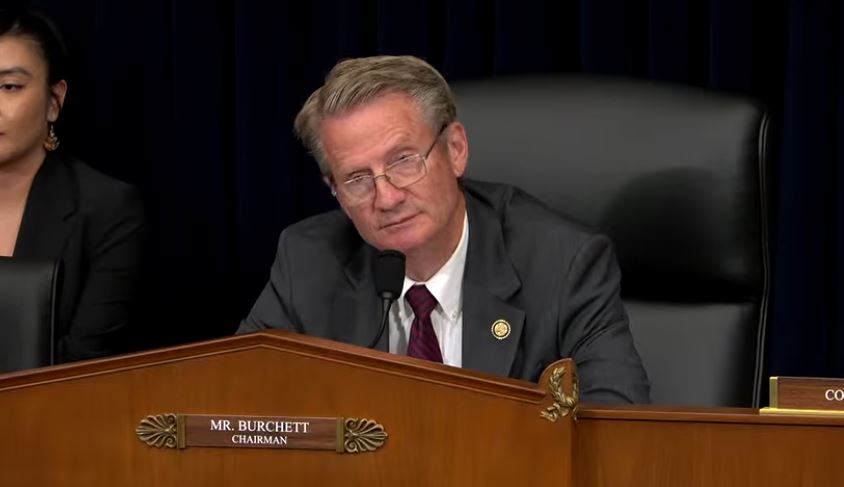
“You can get a free meth pipe, you can get a tourniquet, you can get countless needles inside. You can get fentanyl test strips. You can get cookers. They’re giving away free drug supplies like candy in the name of harm reduction… with zero oversight and rarely any offers for addiction treatment,” Choe told federal lawmakers holding up a harm reduction kit known as a “party pack” that is provided by King County Public Health.
He later pointed to 12th and Jackson in Seattle’s Chinatown-International District, a corner that he says has become an open market for stolen goods with almost no police.
“Due to these harmful policies like Housing First and harm reduction, the streets near these facilities have turned into human dumping grounds,” Choe told lawmakers on Capitol Hill.
In a phone interview with the Lynnwood Times following the hearing, Choe said he wanted Congress to hear “what’s really happening on the front lines of America’s homeless drug crisis.”
A lot of Democrats on the panel, he said, were “clueless” about Housing First and harm reduction. Rep. Rashida Tlaib, D-Mich., he said, read “talking points from far-left activists.”
“They think they can build their way out of this problem,” Choe told the Lynnwood Times. “We’re saying you have to address the root causes, which are drug addiction, mental illness and broken relationships.”
Paul Webster, a Cicero Institute senior fellow and director of the L.A. Alliance for Human Rights, called Los Angeles the “poster child” of no-conditions housing.
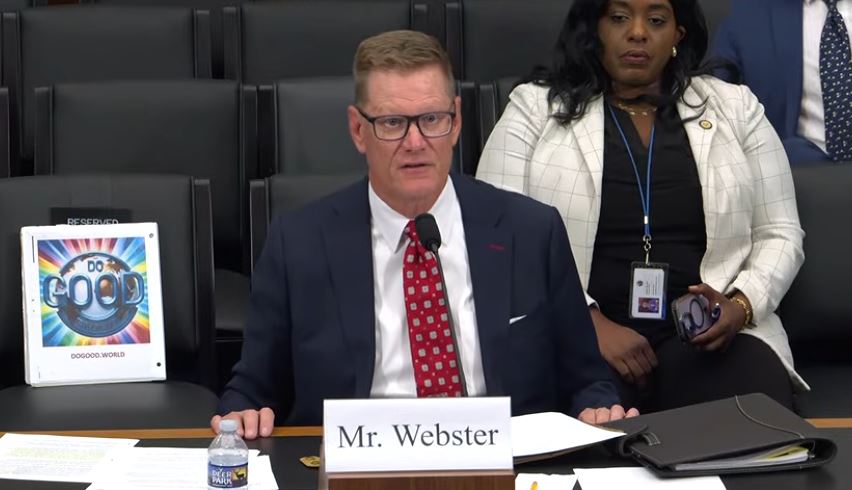
In his written statement he wrote that the region has taken about $2 billion in federal homeless aid since 2005, Continuum of Care awards are up 213%, and the city has budgeted billions more since 2022 yet unsheltered, chronic, and seriously mentally ill homelessness climbed over the long haul. LA County reviews, he said, found LAHSA advancing tens of millions without proper repayment terms, unable to produce complete books, misrecording $145.1 million in county advances, and overstating cash by $47.2 million.
Webster told the committee the Continuum of Care law itself has to be revamped.
“Ending homelessness should mean earned income, sobriety, mental health stability, family reunification, and completing rehabilitative programs and progress toward self-sufficiency, not a signature or eligibility for a government program,” Webster said.
He advocated for sending money through states that answer to voters, not to regional nonprofit boards “voters cannot reach;” audit the grants every year, not after a decade of drift; and to stop treating a name on a subsidized lease as the end of homelessness.
“Federal law and regulation redefines a person as no longer homeless when their names appear on a subsidized lease,” Webster said. “Advocates claim they know how to end homelessness, but it is this definitional gimmick that is the basis for that claim.”
Samantha Batko, an Urban Institute senior fellow and the minority witness, did not defend the status quo.
“More than 745,000 people experienced homelessness on a single night in 2025,” she told the committee. “More than 266,000 were living outside, in cars or in other places not meant for human habitation, and that included more than 22,000 children living outside on a single night.”
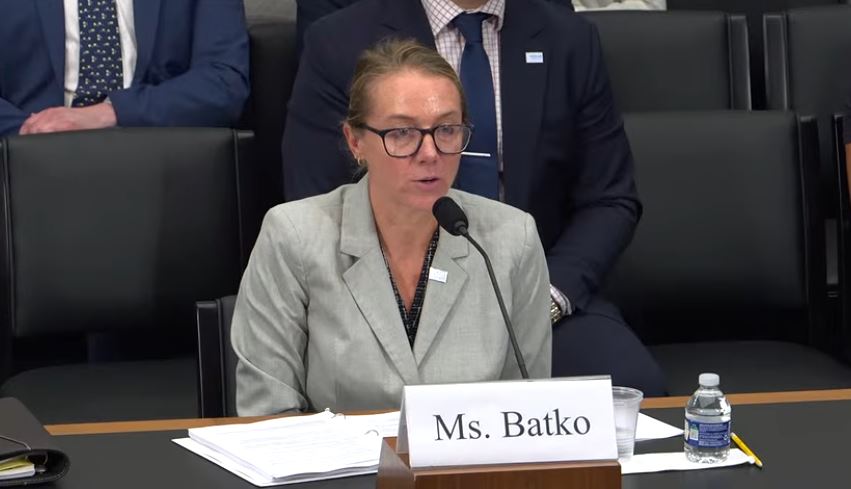
However, what she would not accept from the majority’s testimonies is the idea that addiction and mental illness, by themselves, explain the numbers.
“Decades of rigorous research show that homelessness is predominantly driven by challenges extremely low-income households have affording housing,” Batko said adding that rent burdens have been rising, and “only about 1 in 5 households eligible for federal housing assistance receives it.”
Mental illness and drug use, she said, are “serious concerns for some people experiencing homelessness, and access to treatment must improve, but they do not explain homelessness by themselves.”
She advocated that housing is the platform that will allow a person to seek treatment—both are separate issues according to Batko.
Batko pointed to places she says are already cutting unsheltered homelessness without scrapping Housing First policies.
As the independent evaluator of Denver’s All In Mile High initiative, which the city says reduced unsheltered homelessness 64% in three years, her team found a 93% drop in downtown encampments. Denver did not get there, she said, “by mandating treatment, passing an anti-camping ban,” or chasing people from block to block. It used shared data, more shelter, real housing offers, and it kept the cleared sites clear.
Batko said Dallas, Houston, Philadelphia, San Diego County, Indianapolis are also posting similar declines.
The arguments in the room
Republicans treated the no-strings attached spending of Housing First policies as a scandal, and they took turns putting a face on it.
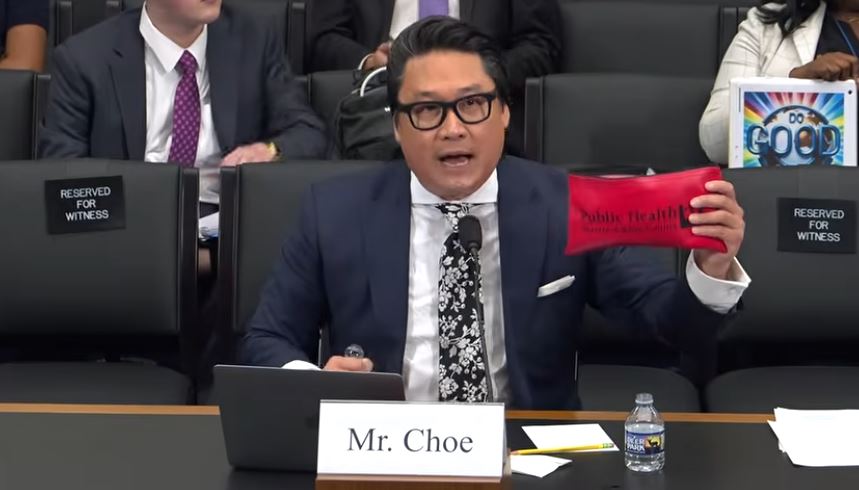
Committee Chair Rep. Burchett opened the hearing by saying cities like Los Angeles and Seattle are “digging in on failed policies.” Housing First, he said, is why encampments spread while taxpayers fund the apartments and the harm reduction kits. He held up a harm-reduction kit with a crack pipe in it saying it is, “the first one I’ve ever held,” and then shared his Recovery First Housing Act that would require federally funded housing programs to offer substance-use treatment.
Rep. Eric Burlison, R-Mo., then went on to criticize the compensation packages of nonprofits awarded Continuum of Care monies. He cited Cicero’s review of Form 990s provider compensation among Continuum of Care nonprofits up about 118% from 2013 to 2024, against inflation of 34%.
“These entities grew in their revenue nearly four times inflation,” Rep Burlison said. “Companies are making money off other people’s misery.”
He asked Choe if that was a “homeless industrial complex.”
Choe responded yes — “especially their top CEOs and executives. Many of them are making high six-figure salaries.” Faith-based recovery shops, Choe added, were the exception.
Rep. Pat Fallon, R-Texas, turned up the profit narrative on the minority witness. He asked Batko, who is working for a 501c(3), her salary to which she said she did not see the relevancy to the discussion.
“So, you’re not going to answer,” Fallon said. “We estimate it’s probably in the neighborhood of $200,000. Do you know how much your CEO, Sarah Wartell, makes?… It’s $971,063. How about your senior VP of research and programs? $407,826. VP and executive director of WorkRise, $397,461. Chief operating officer, $377,915. Senior VP, impact and external affairs, $376,572. Institute fellow, research, $349,939. VP, controller and treasurer, $292,576. So yeah, some people have been very successful in the last 18 years combating homelessness. They’re getting rich off it.”
Rep. Lauren Boebert, R-Colo., kept the heat on Batko’s Denver numbers challenging what these could reflect.
“Denver hired you,” Boebert said. “How many of those people are even in permanent housing or off drugs or still housed? The truth is, you just see less tents in Denver because you put them somewhere else and you didn’t have an actual solution.”
Batko admitted that the City of Denver hired the Urban Institute but as an “independent evaluator” and that she is “still conducting the evaluation” of Denver’s claims of success.
“Denver has rehoused over 1,000 people or 8,000 people and we are examining the costs associated,” Batko said.
Democratic lawmakers on the other hand focused on the consequences of the lack of housing affordability and onto who profits from criminalizing homelessness.
Ranking Member Melanie Stansbury, D-N.M., called the session “a deeply unserious and political show targeting the lowest income and most vulnerable people in the United States.”
“Our people are not political props,” she said. “Housing is a human right.”
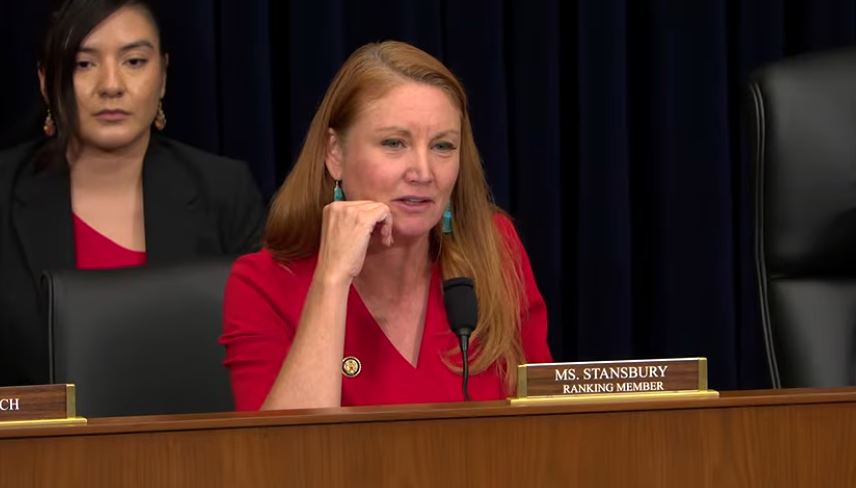
She pressed Webster on who actually runs the shelters and clinics if Continuum of Care is to be “reformed” to which he replied, nonprofits or counties.
“Just not the ones you don’t like,” Stansbury said.
She then asked Choe whether he would deny housing to someone who had lost a job or a family member.
“There is no one size fits all to the homeless drug crisis on the streets right now,” Choe said. “If there is a single mom who just lost her job and needs six months to get back on her feet and find a job, I think giving her an apartment to take that next step is perfectly fine. But what I’m talking about, and what I’ve covered now for the past six years in Seattle, San Francisco and Los Angeles, are the people causing the most crime, chaos and death on the streets.”
Rep. Stansbury then cut him off: “You proved our point. There is no one size fits all. It is Housing First.”
Probably the most heated exchange of the hearing came between Rep. Rashida Tlaib, D-Mich., and Webster with regards to Cicero’s alleged donors with ties (from a Mother Jones article) to private prisons, a billionaire founder, and camping bans in Texas—all to imply that Cicero’s donors benefit financially if homelessness grows.
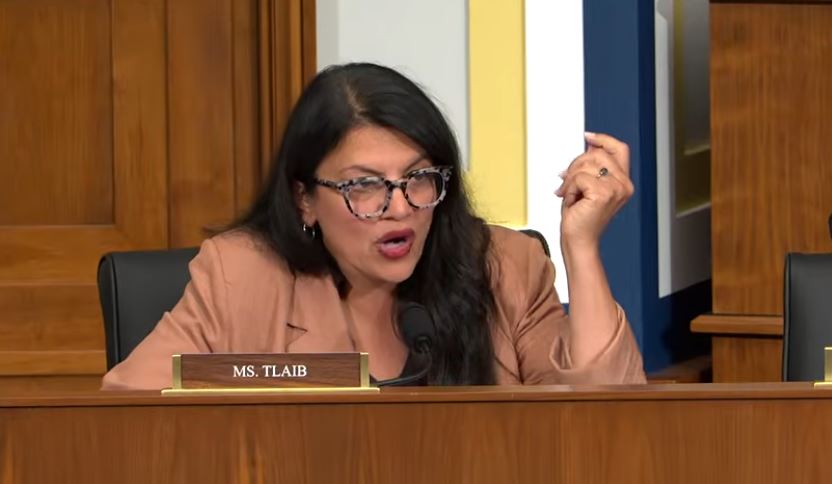
“Don’t tell me how to question you,” Rep. Tlaib interjected when Webster attempted to redirect stating she form the question better. “You’re not elected.”
Tlaib kept going: “You can’t police away homelessness. You can’t arrest away homelessness. The only people that benefit are the people that actually own the prisons.”
Housing First, she said, means a place people can afford “alongside supportive services that they need,” and criticized committee leadership for not calling anyone to testify who had lived homeless experience.
Choe was mostly outside of Tlaib’s crossfire; however, afterward on the phone with the Lynnwood Times, he said Tlaib and Rep. Maxwell Frost, D-Fla., had still tried to brand him and Webster as advocates for criminalizing homelessness.
“That’s the way they want to spin it and frame the argument,” Choe told the Lynnwood Times, “But that’s not actuality or reality of what’s happening here.”
Rep. Frost, he said, talked as if encampment sweeps dump people into prison and skipped the part where cities offer shelter and people refuse congregate rooms. Tlaib, he said, “literally read talking points from far-left activists,” attacked donors, and never asked what he films in Seattle.
“She tried to discredit us, but I think her… questions speak for themselves,” Choe said.
The hearing, in his account, was supposed to be about “fraud, waste and abuse in America’s homeless industrial complex.” Democratic lawmakers, he said, kept answering with “housing being a human right” and would not talk about addiction, mental illness, and broken relationships.
“We’ve tried Housing First for more than a decade,” Choe told the Lynnwood Times, “It’s not working.”
The shift in Housing First policy he hopes to see is a greater share on money towards “treatment and recovery first.” That, he said, is the debate Democratic lawmakers in the committee would not have.
What’s at stake in Washington state
AG Brown’s office says Washington gets about $120 million a year in Continuum of Care grants of which most of it goes to King, Pierce, Snohomish, Spokane, and Clark counties.
Brown’s coalition told the court what providers in King County and Pierce County were already saying out loud: if the new conditions landed, people already in those units would not stay in them. The filings warned of immediate destabilization and possible eviction for more than 2,900 vulnerable residents in Washington. In King County, officials and providers said about 4,500 households — formerly unhoused people, families, veterans, disabled residents — were being carried by the permanent-housing money now at risk, about $26 million. Pierce County planning groups said the caps put 40 to 60 percent of their permanent supportive housing units in doubt.
The 2025 dollars now sit in a different box than the 2026 Continuum of Care fight. In June, Judge McElroy vacated HUD’s 2025 notices and the 30 percent cap that came with them. Congress then wrote into appropriations that if the awards stayed gridlocked in court, HUD had to renew the existing Continuum of Care grants on a set schedule. That was meant to keep the pipeline from being starved while the lawsuits played out. HUD, on the other hand, still hasn’t released the cash.
Although HUD announced the 2025 allocations, it has since sat on the contracts. The National Alliance to End Homelessness has said that of 6,689 approved awards nationwide, only 48 (less than 1%) had been fully processed and cleared for cash.
In Washington that lag shows up as providers taking high-interest short-term loans to pay staff and landlords, or tapping city bridge money and cash reserves to keep master leases from defaulting. Large nonprofits like Downtown Emergency Service Center can lean on a line of credit; however smaller program with 30 or 60 days of reserves cannot.
On September 16, 2026, a federal appeals court cleared the way for the Trump administration and HUD Secretary Scott Turner to overhaul the $4 billion homelessness program, shifting funds away from permanent housing assistance. Wednesday’s appeals-court stay in Brown’s lawsuit does not reopen the 2025 cap of awarded monies; it simply means that for the upcoming round Housing First monies can now be allocated on Sec. Turner’s terms.
During the annual County Update on June 2, County Executive Dave Somers also addressed the federal uncertainties surrounding Continuum of Care grants going forward. Then, on June 10 Snohomish County became the first in Washington state to end Housing First funding preference. The County Council approved two ordinances aimed at expanding treatment-focused approaches to addiction and housing while protecting children from fentanyl exposure.
Day after the Hearing, LA County arrests
On Wednesday, the Justice Department announced arrests in an L.A.-area homelessness-fraud takedown. It is a different story from Washington’s grant fight but runs on the same federal Housing First pipeline.
Michael Young, founder of Culver City-based Home at Last, was charged with wire fraud. Prosecutors said the group took more than $118 million in public funds, more than $75 million of it from LAHSA and that Young diverted more than $12 million — including $7.5 million through sham vendors — into real estate, a nightclub, and a bingo hall. LAHSA dropped the contracts in June.
Also charged was Lakiya Malone of Special Service for Groups, accused of taking more than $180,000 in bribes on housing referrals, and Donye Mitchell of The Big Blue Umbrella, accused of landing more than $1.2 million under false pretenses. Alexander Soofer, formerly of Abundant Blessings which was mentioned in Webster’s testimony as billing for care yet serving instant ramen, agreed to plead guilty to wire fraud and money laundering. Prosecutors said Soofer kept at least $2 million of the $23 million he was awarded.
LA Mayor Karen Bass, who appointed herself to sit directly on the 10-member LAHSA Commission in October 2023, was not named in Wednesday’s indictments. Bass personally appoints half of LAHSA’s commissioners who are subject to City Council confirmation. Her appointee, Stephanie Graves, currently chairs the entire commission.
Mayor Bass called the alleged corruption “despicable,” said her administration has “zero tolerance for fraud — period,” and thanked the DOJ for making the arrests.
First Assistant U.S. Attorney Bill Essayli blamed a “profound failure by the State of California and Los Angeles County to safeguard public funds.”

Author: Mario Lotmore





One Response
Sounds like a BIG FAT PHONEY MONEY LAUNDERING MACHINE CREATED BY REPUBLICANS AND FAKE GOVERNMENT REPRESENTATIVES WHO HAD THERE SEATS BOUGHT FOR THEM WHILE ACCEPTING BRIBE MONEY.
Mental illness is an entirely different situation all on its own. Which has been very dehumanizing and mishandled repeatedly.
They already had a 5150 tool
(Which is also misused)
If they want to say drugs
DRUGS WERE ALREADY ILLEGAL
After all that criminalization and DISPLACEMENT and DEATH with ZERO ACCOUNTABILITY because these policies are DIRECTLY TIED to NUMEROUS real people dying.
The cost of jailing and the judicial system
While the homeless kept with nothing.
(Not even counting job discrimination)
So even if they did work and manage to build towards anything in self sufficiency IT ALL GETS TORN DOWN AND STOLEN
This is also EXTORTION
Multiple levels OF EXTORTION
You can do a mental health assessment from 50 feet away AND GET AN ACCURATE GUESS
Better yet you can get a mental health assessment and DUMP A KNOWN VIOLENT ****DISABLED**** person with brain damage who is known to get VIOLENT WHILE MENTAL ***WHILE EXHIBITING EVERY POSSIBLE INDICATION THAT THEY ARE HAY-WIRE IN THE BRAIN MENTAL AGAIN****
AND SKIP THE 5150 TOOL
OR RELEASE DURING THE JUDICIAL PROCESS
With medication THAT HAS NEVER ONCE CURED ANYTHING AND IS ALWAYS TEMPORARY
Then dump them off onto unsuspecting family members BECAUSE THEY ARE OKAY FOR THAT MOMENT (they just knew slightly mental)
OR BETTER YET DUMP THEM OFF ON TO COMPLETE STRANGERS (want to make a 911 call and leave out – known mental illness?)
Then turn around and tell these families “ITS A DOMESTIC VIOLENCE SITUATION” “BYE!”
Your Mental Health System
HAS BEEN BROKEN
And it doesn’t work
ITS FULL OF FAKE PHONY
MONEY LAUNDERING HYPOCRISY
Forcing treatment on to someone WHO IS NO WHERE NEAR THAT LEVEL OF MENTAL IS COMPLETELY WRONG (and I’m talking about people with mental health conditions or even mental blemishes) AND YET ITS DONE ANYWAYS WHILE VIOLATING THERE CIVIL RIGHTS OR EVEN JUST PLAIN HUMAN DECENCY
Yet the system can drag its feet for a person with a real mental health disability and deny them entry to their money and their livelihood, while exposing them to systematic harm and even death.
(Then even if they could maintain employment for a few months THEY CAN STILL HAVE HUGE CONSISTENT EMPLOYMENT MAINTAINING BARRIERS, WHILE NOT BEING ANYWHERE NEAR VIOLENT.)
but the quick glance and overlooking in the other direction and saying they aren’t mental enough or even “not at all” when they really are. HAS BEEN REPEATEDLY DONE WITH EVEN VIOLENT EMERGENCY SITUATIONS INVOLVING PEOPLE WITH REAL MENTAL ILLNESSES.
Adding 100,000× more homeless people to the list IS NOT HELPING ANYONE BUT MONEY LAUNDERING LOWLIFES WHO FEED ON OTHER PEOPLE’s SUFFERING
Which is much larger FRAUD WASTE AND ABUSE combined with CRUELTY AND HARM