

SACRAMENTO— California just put real teeth behind a rule Washington already has on paper: if a campaign pays someone, say an influencer, to post about a candidate or ballot measure, the audience is supposed to know.

Gov. Gavin Newsom signed Assembly Bill 1130 on Saturday, September 19. The measure lets California’s Fair Political Practices Commission fine content creators up to $5,000 per post when they skip a paid-political disclaimer with both the paying committee and the content creator sharing liability. Regulators can also send cases for criminal prosecution as possible misdemeanors.
Prior to bills signing, California has required disclosure on paid state and local political posts since 2023. What it did not have was an easy way to punish the person who hit “publish.” The old remedy was mostly an injunction. AB 1130 closes that gap.
Assemblymember Marc Berman of Menlo Park, the bill’s sponsor, said he moved after reports that Tom Steyer’s gubernatorial primary campaign paid influencers on TikTok, Instagram, YouTube and Reddit, and that many of those posts went up without a clear written disclosure. Steyer lost the primary after spending more than $200 million on his campaign.



Regulators must now warn content creators that missing the disclosure can bring penalties, and they have to report the spending as paid “third-party” posts.
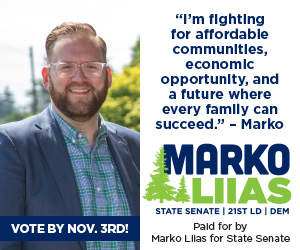
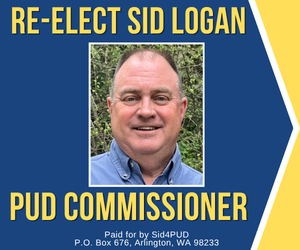
Washington’s Public Disclosure Commission has said for years that paying an influencer to support or oppose a candidate or ballot measure is political advertising. However, the sponsor has to report the spending, not the content creator. The post is supposed to carry sponsor identification — typically “Paid for by” plus a name and address, and extra contributor information on some independent expenditures. On cramped social posts, a link or pop-up can stand in for the full disclaimer.
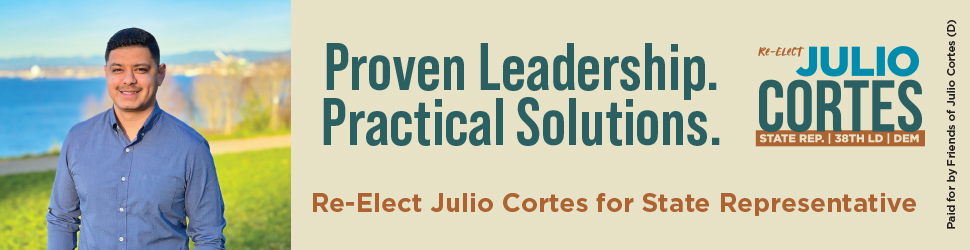

In Washington, the payer is the party liable for nondisclosure, creators are not jointly on the hook the way they now are in California. The PDC currently can fine up to $10,000 per violation. It can also refer cases for criminal charges, but only when someone acts with actual malice — knowing a violation or treating the truth with reckless disregard. That is a high bar. Also, most PDC enforcement cases stay as a civil matter, not criminal.
Could Olympia copy Sacramento? Well, yes.
In the upcoming 2027 Session, a bill could add creator liability, require payment-specific wording on a content creator’s post, and make ordinary missed disclaimers referable as misdemeanors without proving malice. Nothing in current law forbids that.
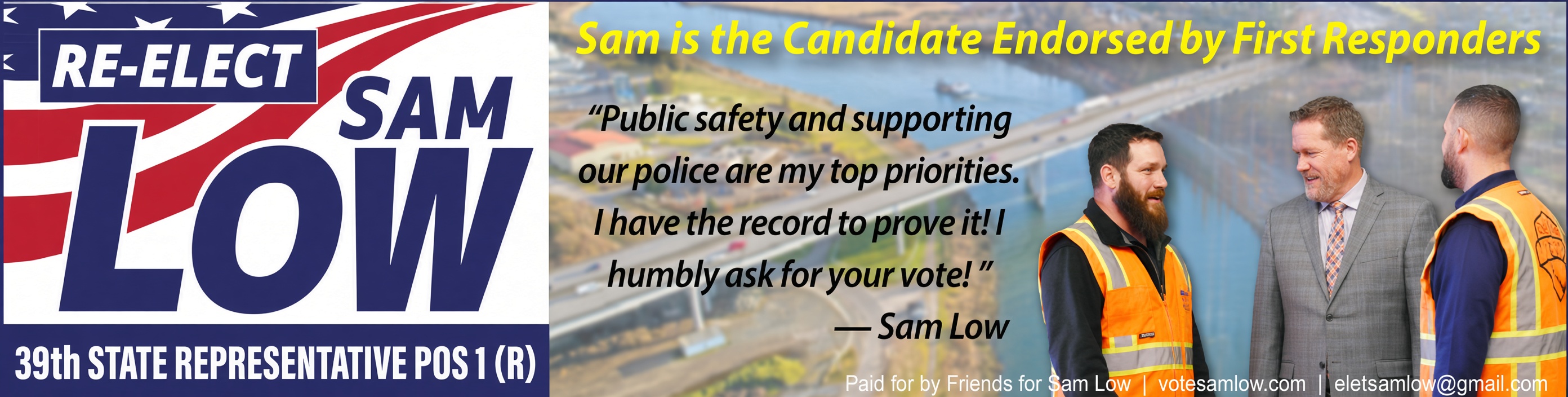
Political spending has historically followed audiences off television and onto podcasts and short video. A disclaimer on a committee’s own ad is not the same as a creator talking to followers who think they are getting an unbought opinion. California’s new fines are meant to make that distinction visible.
Opponents to a proposed revision to Washington’s PDC may argue that such a statute would chill speech. Washington state media enjoys an exemption to disclosure following a 2007 Washington Supreme Court decision that treated campaign commentary differently from reportable contributions.
This fight is not theoretical in Washington state. In May, Washingtonians for Ethical Government asked the PDC to investigate Let’s Go Washington, the Brian Heywood-backed committee behind two 2026 initiatives, over more than 150 instances of Brandi Kruse promoting those measures on her unDivided podcast and social channels. The complaint valued the exposure between $345,000 and $1.25 million and also flagged rally appearances and Kruse’s advertising relationship with Future 42, a group tied to Heywood’s orbit.
Kruse and Let’s Go Washington say she was never paid by the committee. The PDC has opened a formal investigation in August which is still pending. The case is less “forgot the paid tag” than “is this advertising or commentary?” A California-style statute, if enacted in Washington state, would not decide that complaint retroactively. It would change the rules for future complaints, especially if a committee actually writes a check.
Washington has already shown it will enforce advertising rules when the facts are cleaner—Let’s Go Washington itself was fined $20,000 in 2024, with half of the penalty suspended, over sub-vendor reporting and missing sponsor ID has produced other civil penalties.
So, the machinery exists. What California added is personal exposure for the content creator and a lower threshold for criminal referral.

Author: Mario Lotmore