

LYNNWOOD — Two census tracts in Lynnwood have received federal Opportunity Zone designations under the updated Opportunity Zones 2.0 program, one covering the City Center area and the other in South Lynnwood.
The U.S. Department of the Treasury approved all 99 census tracts nominated by Gov. Bob Ferguson, selected from 152 applications submitted after a months-long process led by the Washington State Department of Commerce. The designations take effect Jan. 1, 2027, and run through Dec. 31, 2036. The tracts span 27 counties and include 36 rural communities and 17 tribal lands.
Lynnwood’s two tracts previously held Opportunity Zone status under the original 2018 program. City officials credit that earlier designation with helping attract roughly $233 million in private capital investment to date, supporting mixed-use projects, housing and commercial development.
“This is another tool in Lynnwood’s toolbox to encourage investment in our city,” Mayor George Hurst said. “By earning this designation, we can continue to achieve our vision for a vibrant, walkable, mixed-use hub in City Center along with more housing and opportunities for our residents in South Lynnwood.”


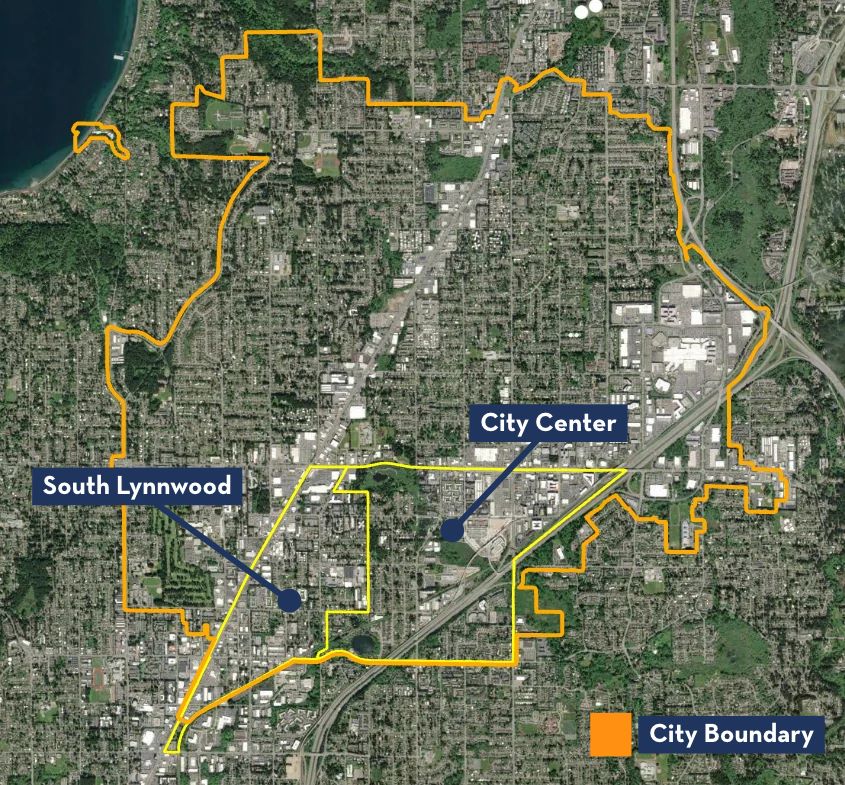
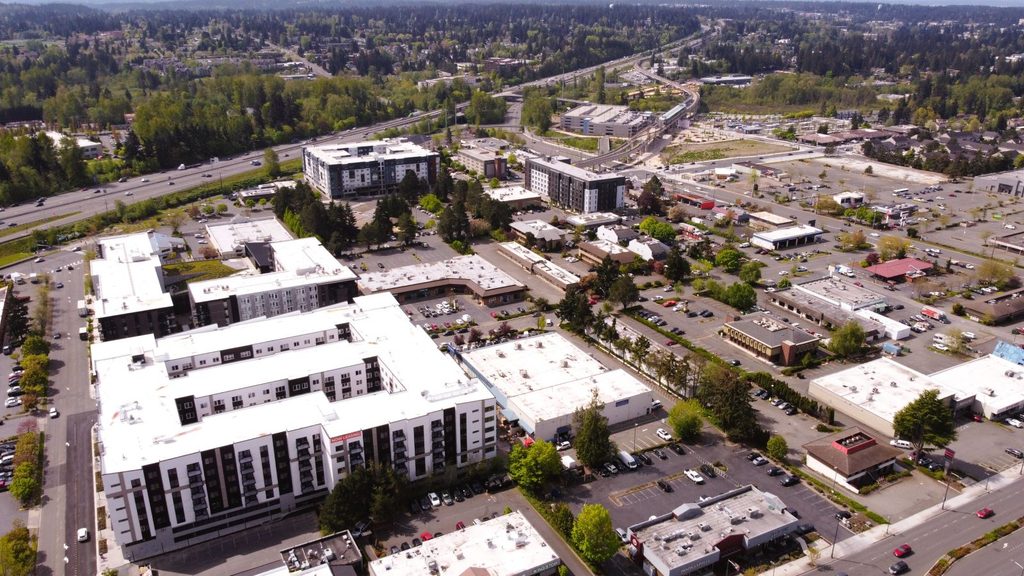
The City Center tract surrounds the Lynnwood City Center light rail station and forms the core of the city’s Regional Growth Center. Planning for the area emphasizes high-density housing, office and retail uses connected to transit, along with streetscape and infrastructure improvements already underway. South Lynnwood covers areas along Highway 99 between 196th Street SW and 212th Street SW. Local plans there focus on redeveloping underutilized properties, improving transportation access and expanding housing while creating a more walkable neighborhood center.


Trent Mummery, principal of One Trent, pointed to the firm’s Ember project as an example of how the original designation influenced development. Ember is a 361-unit multifamily building in the City Center that opened near the light rail station.
“The project ended up being very successful, but frankly, without the OZ designation, we aren’t certain we could have attracted the equity investors necessary to finance the project,” Mummery said. “Renewing the opportunity zone designation strengthens the City’s efforts to expand housing and enhance the vibrancy of City Center.”
Daniel Gallagher, president of Nitze-Stagen and Co., said the extension supports the next phase of growth tied to major public investments.
“The recent delivery of light rail infrastructure represents a transformative civic investment, one that has already begun to reshape accessibility, connectivity, and development patterns in the area,” he said.
The Opportunity Zone program offers federal tax incentives to investors who place capital gains into Qualified Opportunity Funds that invest in real estate or businesses within designated census tracts. The original program, created under the 2017 Tax Cuts and Jobs Act, is credited with drawing more private investment into low-income communities over a comparable period than earlier federal place-based policies. Nationwide estimates put investment tied to the first round above $100 billion across thousands of neighborhoods.
Congress updated the program in 2025, making it permanent with new designation cycles every 10 years, tighter eligibility rules for low-income communities, enhanced incentives for rural areas and stronger reporting requirements so long-term outcomes on jobs and investment can be tracked. Original 2018 designations remain active through Dec. 31, 2028, creating a brief overlap with the new program in 2027 and 2028. Once certified, the 2.0 zones stay in place through the end of 2036. The next map is scheduled to take effect Jan. 1, 2037.
“Washington is a great place to do business,” Ferguson said at the time of the nominations. “Opportunity Zones help shine a light on communities that have exceptional potential for investors.”
After Treasury’s approval, he added that the designations give communities another tool to shape their economic futures by connecting private capital with places ready to build housing, support businesses and create jobs.
Snohomish County accounts for several of the 99 approved tracts. In addition to the two in Lynnwood, nominations covered downtown Marysville, metro downtown Everett, areas near Paine Field and Casino Road in south Everett, and the Mariner corridor in unincorporated southwest county. According to submittal documents, those areas pointed to existing public investments in transit, zoning tools and infrastructure as reasons private capital could accelerate housing and job growth once the tax incentives are available.
In Lynnwood, the renewed designation arrives as the city continues to pursue higher-density, transit-oriented development around the light rail station while seeking more housing options and neighborhood improvements farther south. City officials have said the program does not replace local tools such as multifamily tax exemptions (MTE) or planning requirements, but it can help close financing gaps that have slowed some projects.
Investors interested in Qualified Opportunity Funds can register with the IRS and review rules for realized capital gains at https://www.irs.gov/credits-deductions/businesses/invest-in-a-qualified-opportunity-fund. Communities and developers can find maps, tract profiles and other resources through the Washington State Department of Commerce Opportunity Zones dashboard. Those looking at specific opportunities in Lynnwood can visit Lynnwoodwa.gov/Business or contact the city’s Economic Development team at econdev@LynnwoodWA.gov.

Author: Mario Lotmore