

SNOHOMISH COUNTY—The Economic Alliance Snohomish County held a Coffee Chat discussion on July 7 focused on ‘Anchoring Regional Growth’ – exploring how maritime and non-operational Naval Station Everett activity drives regional and economic growth, infrastructure investment, and workforce development.
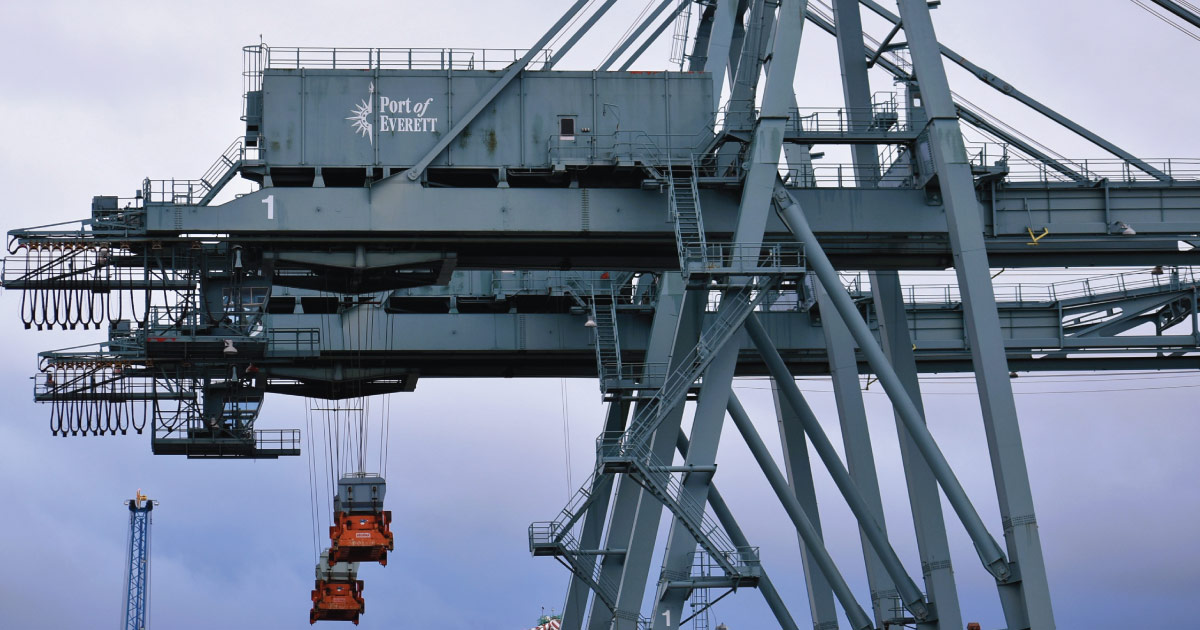
The conversation featured Port of Everett CEO Lisa Lefeber, Dave Abrams, CEO of the Maritime Institute, a nationally recognized maritime training organization, and Ray Stephenson, President and CEO of Economic Alliance Snohomish County in addition to Captain Stacy M. Withier of Naval Station Everett,




Raechel Morera, Director of Community Engagement for Economic Alliance, was moderator.
EASC’s mission is to strengthen Snohomish County’s economy by bringing together business, government, education, and community leaders to address the opportunities and challenges shaping the region.




The Coffee Chat’s discussion, anchoring regional growth – maritime and defense activity – focused on two sectors that are fundamental to the region’s success: The Port of Everett serves as a vital hub for trade, industry, and waterfront investment, while Naval Station Everett is one of Snohomish County’s largest employers and an important contributor to the economy and community.



“Together they support thousands of jobs, strengthen the supply chains, drive infrastructure investment, and enhance our region’s long-term competitiveness,” said Morera. “Today’s conversation isn’t about military defense or defense policy, instead we’ll focus primarily on exploring how maritime and defense activity, workforce development, and cross-sector partnerships work together to support a resilient, regional, economy.”
Jumping straight into a Q&A format, Port CEO Lefeber was asked what role the Port plays as an economic engine and why should businesses throughout Snohomish County care about its success.
Lefeber said if you look at all the major cities across the country, they’re all centered around strategic port assets.
“Having that critical infrastructure to support trade and movement is critical to making an economy work and function,” said Lefeber. “In Washington we’re unique because our ports just don’t move cargo. In Washington we have a special authority for economic development so we’re able to help facilitate economic growth in other areas as well, for example recreational marina activities, or mixed-use real estate activities, and supporting workforce development and so forth.”
Lefeber continued that Washinton State is the most trade dependent state in the nation and in Snohomish County, 60% of its jobs are tied to trade. As such, the strategic tools found at the port can facilitate economic growth more quickly than most government entities.
EASC President and CEO Ray Stephenson was asked why it’s important to look at the maritime and defense sectors together rather than as separate entities.
Stephenson replied that, in Snohomish County, they’re not separate – they’re entwined.
“Port of Everett and Naval Station Everett sit side-by-side on the same waterfront, and they drop off in the same workforce pipeline, the same infrastructure, and often the same supply chain,” said Stephenson.
When Stephenson was Everett Mayor one of the first things he learned was the decisions made in Washington D.C. – about a ship or base – can ripple through the local economy just as fast as a decision about a shipping contract.
“We saw that recently with the Navy’s decision to cancel the conservation class program. That wasn’t just a defense policy story, it was a local job and business story,” said Stephenson. “At the Economic Alliance we have the deliberate choice to treat maritime and military as one interconnected sector because of the businesses, the workforce, and the infrastructure investments and one almost always supports the other. If we only advocate for one we lose half the pipeline.”
When Stephenson first took office in 2003 a Military Affairs Committee was established to build a direct relationship between Naval Station Everett and the community. This relationship was why Naval Station Everett stayed off a base closure process in 2005. More recently this same committee allows local businesses to keep up to date when bidding opportunities on Navy contracts are coming up.
Dave Abrams, with the Maritime Institute, was asked how workforce needs are changing and where he sees the strongest demand for both commercial maritime employers and defense maritime employers.
Abrams said if you take the Maritime Industry broadly you could place it into a couple of buckets – the ship construction side, the vessel operation side, and port infrastructure.
At the Maritime Industry, they deal primarily with the vessel operation and shipyard side, said Abrams, where they’re experiencing what they call the “silver tsunami”; where the average age of workers is in the mid 50’s.
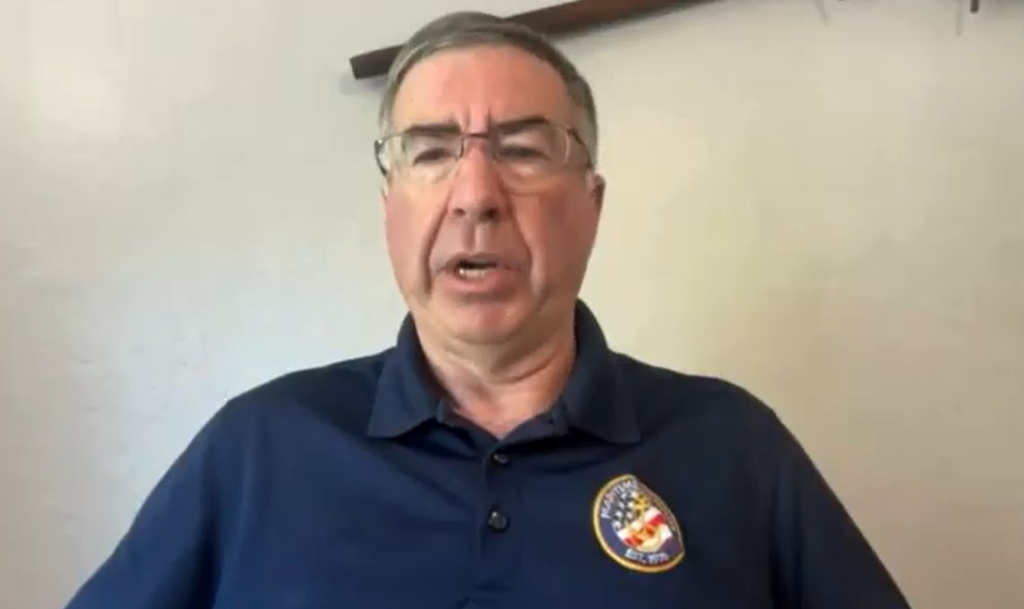
“The message is clear: the workforce is aging and we can’t just snap our fingers and create a journeyman electrician, or a master, or a chief engineer…it takes time,” said Abrams. “The biggest change is the industry is beginning to wake up and realizing we have this problem. So they’re going to have to really have to take advantage of the runway they have left and bringing new people into the industry. The opportunities are immense.”
Abrams continued that there’s a “beginning, a middle, and an end” to any pathway and takes a village to make that happen – from a partnership with the school district to establish the program, to partnering with the port for a facility, and lastly partnerships with employers to create jobs.
Infrastructure investments often happen behind the scenes but are critical for long-term growth. Some investments at the Port of Everet on the horizon which will have the greatest impacts, according to POE CEO Lefeber, include creating the waterfront to be a tourist destination location (which in turn will create jobs), build out Waterfront Place, the Millwright mixed-use project, building trails from Weyerhaeuser to Bluewater, a new festival space, and rebuilding its boat launch, as well as the Mukilteo Waterfront development.
Over the last decade the Port has also invested over $150 million in the aerospace supply chain to hopefully solidify the future of aerospace in the county for a long time coming, with the 777x line and so on.

Author: Kienan Briscoe